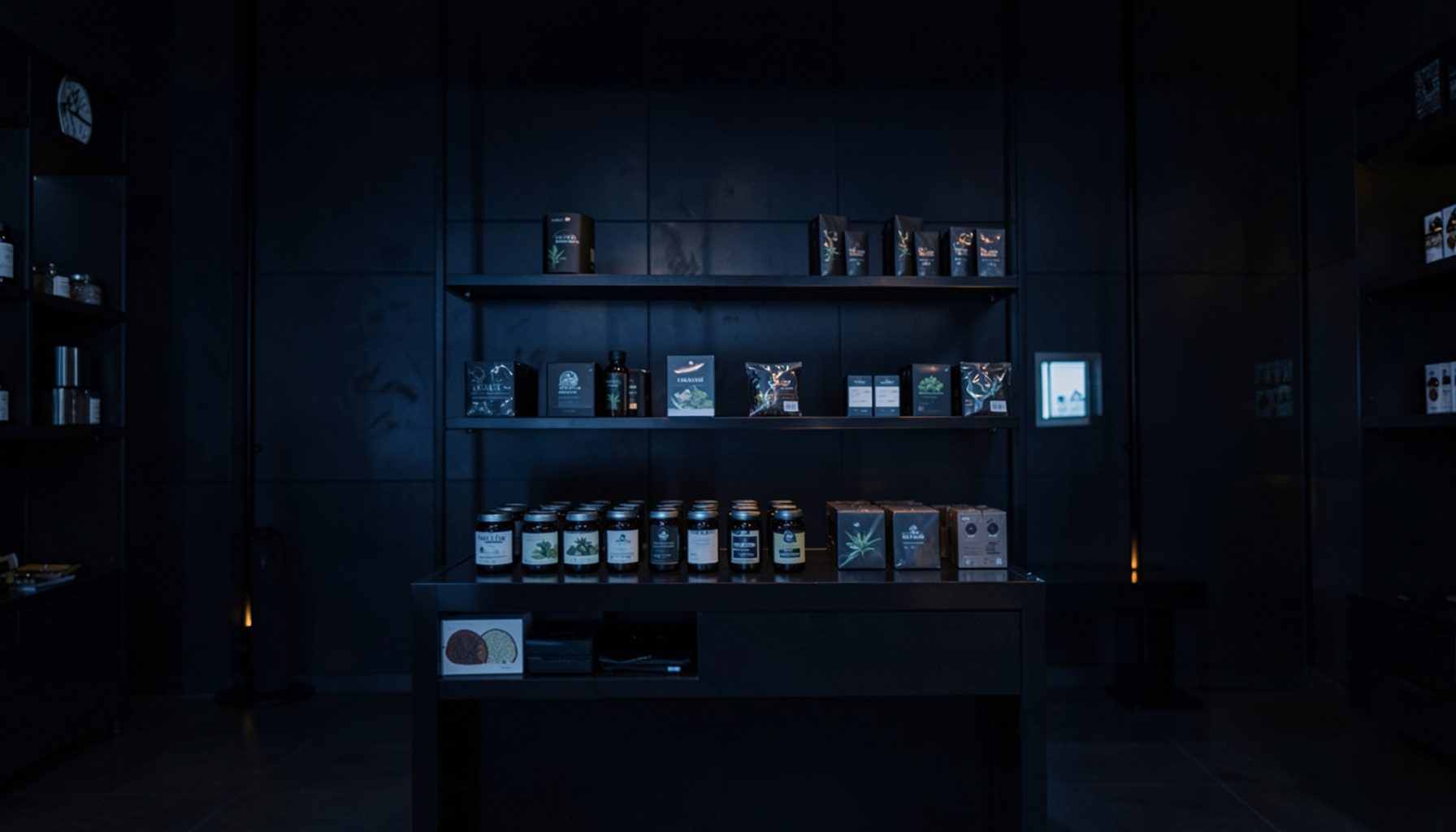
Why Flower Testing Results Matter Before You Buy
Buying cannabis flower involves more than choosing a strain name, terpene profile, or attractive package. Laboratory testing gives shoppers a clearer view of what is actually inside the product, how potent it may be, and whether it meets required safety standards. For consumers comparing premium flower with budget options, a test report can provide valuable information that marketing language cannot.
Testing results also help create consistency. Cannabis plants can vary from harvest to harvest, even when they carry the same strain name. A current batch report connects the product in your hand to specific laboratory data, making it easier to understand its cannabinoid content, terpene character, freshness indicators, and screening results.
For shoppers in California, Arizona, and Michigan, reviewing available product information is an important part of purchasing responsibly. Reputable retailers such as Jeeters Juice Shop emphasize authenticity, quality, testing, and customer support, giving customers more tools for making informed decisions.
Why Lab Results Matter
Cannabis flower is a natural agricultural product, so its chemical profile can change based on genetics, cultivation methods, harvest timing, drying, curing, and storage. Two products with similar names may produce noticeably different experiences because their THC, CBD, minor cannabinoids, and terpene levels are not identical. A certificate of analysis, commonly called a COA, helps show the measured profile of a particular batch.
A COA also addresses safety. Proper testing can identify unwanted substances such as pesticide residues, heavy metals, mold, yeast, harmful bacteria, and leftover solvents from processing. Flower is typically inhaled, which makes clean cultivation, careful handling, and compliant laboratory screening especially significant. A product that looks and smells appealing can still require verification through documented testing.
Testing data does not predict exactly how every person will feel. Individual tolerance, consumption method, body chemistry, and previous cannabis experience all influence effects. Still, laboratory results provide a reliable starting point for comparing products and choosing a level of potency that suits a shopper’s preferences.
What A Certificate Of Analysis Reveals
A useful COA should identify the product, batch or lot number, testing laboratory, test date, and relevant results. The batch number on the report should match the packaging whenever possible. If those details do not line up, the report may belong to an older harvest or a different product, which makes it less useful for evaluating the item being purchased.
Cannabinoid testing usually includes THC and CBD, along with smaller cannabinoids such as CBG, CBC, or THCV when present in measurable amounts. Results may appear as percentages by weight, milligrams per gram, or total milligrams per package. Paying attention to the unit prevents confusion. For example, a percentage describes concentration, while milligrams communicate the amount in a specific quantity of flower.
Terpene results can add another layer of information. Compounds such as myrcene, limonene, pinene, linalool, and caryophyllene contribute to aroma and flavor, and they may influence the character of the overall experience. Terpene data should not be treated as a guarantee of a particular effect, but it can help shoppers compare citrus-forward, earthy, floral, piney, or spicy profiles.
Some flower reports also include moisture content and water activity. These measurements can offer clues about curing and storage. Excess moisture may raise concerns about microbial growth, while overly dry flower may burn quickly and lose aroma. Testing is most useful when read alongside the package date, visual appearance, smell, and the retailer’s storage practices.
How To Read Potency Numbers
Potency is one of the most visible parts of a cannabis label, but it is easy to overvalue a single number. A higher THC percentage does not automatically mean better quality, stronger flavor, or a more enjoyable experience. A balanced cannabinoid profile, fresh terpene content, smooth cure, and clean test results may matter more to a particular shopper than maximum THC.
The reported figure is also an estimate from a sample of the batch. Cannabis flowers are not perfectly uniform, so individual buds can vary slightly. The number should be used as a general guide rather than an exact promise about every piece of flower in the package. Consumers with lower tolerance may prefer moderate potency and smaller amounts, while experienced users may intentionally seek higher concentrations.
| Result Area | What It Can Tell You | What To Check |
|---|---|---|
| THC percentage | Approximate concentration of psychoactive THC | Confirm the unit and compare it with your tolerance |
| CBD and minor cannabinoids | Whether the flower has a broader cannabinoid profile | Look for measurable CBD, CBG, or other listed compounds |
| Terpene profile | Likely aroma, flavor, and sensory character | Review dominant terpenes and total terpene content |
| Pesticide screening | Whether regulated pesticide residues were detected | Look for a passing result from a recognized lab |
| Heavy metals | Whether contaminants such as lead, arsenic, or mercury were found | Check that the applicable panel is marked compliant |
| Microbial testing | Screening for mold, yeast, and certain bacteria | Verify that flower passed microbial limits |
| Moisture and water activity | Information about curing and storage condition | Avoid relying on potency alone when judging freshness |
| Batch information | Connection between the report and the package | Match the lot number and product name |
A report with exceptionally high THC but weak terpene information may tell you less about the flower’s overall quality than a moderate-potency product with clear, current, and comprehensive testing. Comparing the full report helps prevent a single headline number from dominating the buying decision.
Safety Beyond Potency
Contaminant screening is one of the strongest reasons to pay attention to testing results. Pesticides can enter the supply chain through cultivation practices, while heavy metals may be absorbed from contaminated soil or water. Microbial contamination can develop through poor handling, improper drying, or unsuitable storage. Testing helps identify these risks before products reach consumers.
For inhaled products, residual solvents and other chemical screening may also be relevant, particularly when cannabis has undergone extraction or additional processing. Flower itself does not involve the same extraction steps as concentrates, but a broad quality system may still document multiple safety categories. Shoppers should look for clear pass or fail designations rather than assuming that a product is clean because it comes in professional packaging.
A passing result does not mean a product will be perfect for every person. People with allergies, respiratory sensitivities, or specific medical concerns should consider advice from a qualified healthcare professional. Cannabis products can also cause impairment, so consumers should avoid driving or operating machinery after use and keep products away from children and pets.
Freshness is another part of the safety and quality picture. Flower that has been exposed to heat, light, or air for too long may lose aroma and become harsh, even if its original lab results were compliant. Current batch documentation, sealed packaging, appropriate storage, and a reasonable purchase date work together to provide a better indication of product condition.
Authenticity And Retailer Practices
Testing results are most valuable when they are connected to an authentic, traceable product. Licensed supply chains and established retailers should be able to provide information about the brand, batch, packaging, and testing laboratory. Customers should be cautious when a product has a missing lot number, vague labeling, inconsistent branding, or a report that cannot be connected to the item for sale.
When exploring the tested product selection, shoppers can compare available flower and other cannabis formats while considering brand information, product descriptions, and support resources. A retailer’s willingness to answer questions about testing, authenticity, and product details is a useful sign of customer-focused service.
It is also important to compare products within the same category. Flower, pre-rolls, vape cartridges, live resin, and liquid diamonds may have different testing considerations because they are produced and consumed differently. Consumers interested in concentrated formats can review liquid diamond options, while remembering that high-potency extracts require more careful attention to serving size and personal tolerance.
Retailers serving multiple states may carry products subject to different labeling and compliance systems. Availability, package information, and testing documentation can vary between California, Arizona, and Michigan. Checking the current product listing and asking customer support for clarification is preferable to relying on an old screenshot, social media post, or third-party marketplace description.
Smart Buying Habits
A few practical habits can make laboratory information easier to use and reduce the chance of buying flower based on incomplete claims. The goal is not to decode every scientific detail; it is to confirm that the product is traceable, tested, and appropriate for your needs.
- Match the COA’s batch or lot number to the number printed on the package.
- Check the testing date and favor current reports over documents from an older harvest.
- Review safety panels for pesticides, heavy metals, microbial contaminants, and other applicable risks.
- Compare THC with CBD, minor cannabinoids, terpene content, moisture, and water activity.
- Ask the retailer or brand for clarification when a report is missing, difficult to read, or inconsistent with the label.
It is also wise to inspect the flower itself when it arrives. Look for an appealing natural aroma, intact trichomes, appropriate moisture, and packaging that appears sealed and properly handled. Avoid products with a musty smell, visible mold, damaged packaging, or labeling that does not match the online description. Lab results and personal inspection support each other; neither should be treated as the only measure of quality.
Make Testing Part Of Your Routine
Reading flower test results may take an extra minute, but it can make the purchase more predictable and transparent. The information helps distinguish a documented batch from a product supported only by attractive branding, while giving consumers a better way to compare potency, terpene character, freshness indicators, and safety screening.
As you shop, use current COAs, matched batch details, complete product descriptions, and responsive customer support as part of your decision-making process. Explore Jeeters Juice Shop’s available cannabis products and choose flower with the testing information and quality details that fit your preferences.