Which strains work best for daytime productivity
Daytime cannabis use calls for a more deliberate approach than choosing the strongest product on the shelf. The best option for focused work, creative projects, errands, or social activity is usually one that delivers clear, manageable effects without heavy sedation, racing thoughts, or an uncomfortable spike in anxiety.
Cannabis affects people differently, and strain names alone cannot predict the experience. A product’s cannabinoid ratio, terpene profile, potency, serving size, and consumption method all matter. Even the same cultivar may feel different when grown, extracted, or formulated by separate brands.
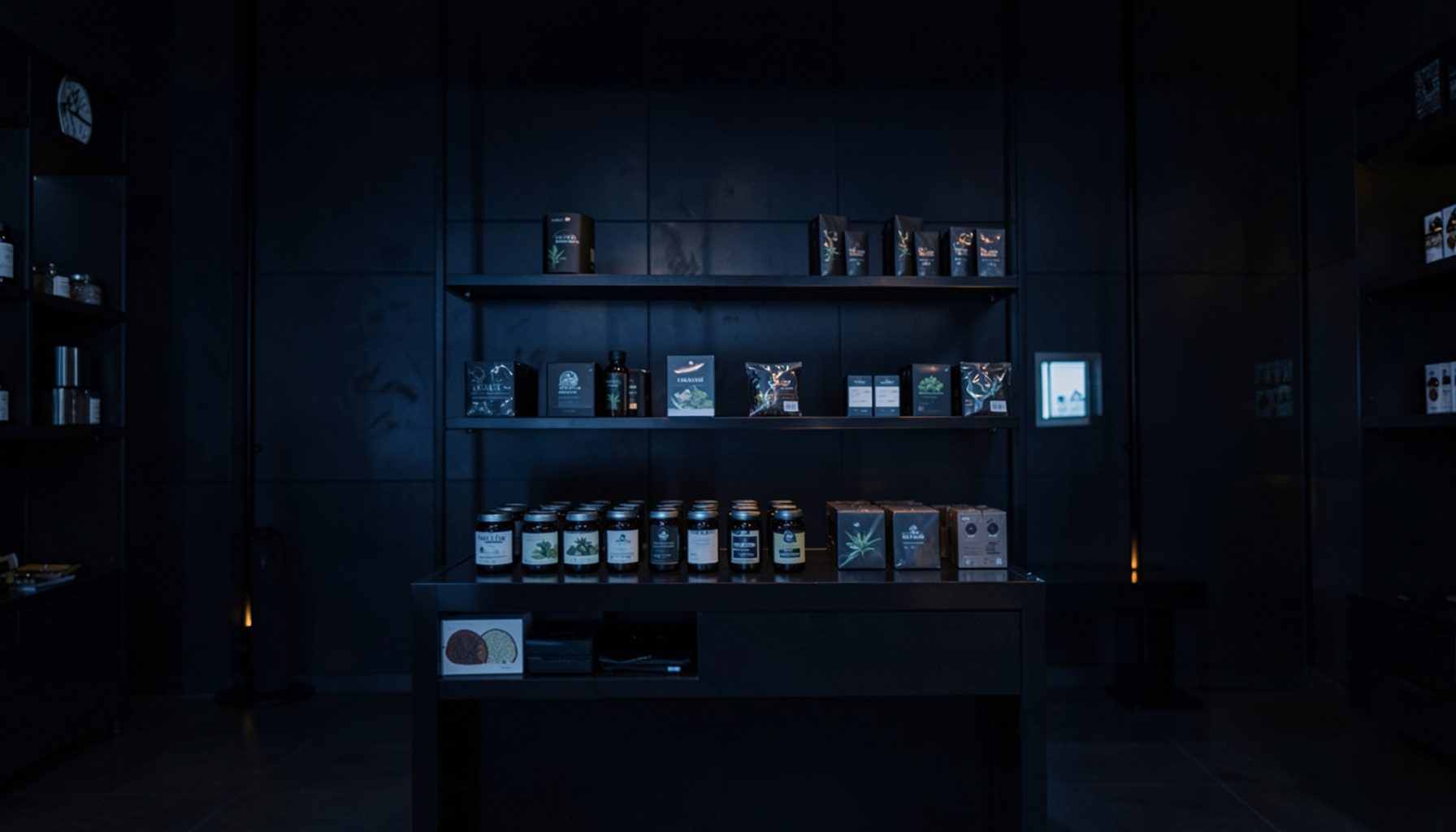
For adults in legal markets, the goal is to identify a repeatable daytime routine rather than chase an intense high. Start with a low amount, allow enough time for the effects to develop, and keep cannabis away from driving, hazardous work, or tasks that require unimpaired judgment. Browsing a retailer’s cannabis product selection can help you compare formats and lab information before deciding what fits your schedule.
What productivity-friendly effects really mean
A productive cannabis experience is not necessarily energizing in the way caffeine is. It may feel like reduced mental friction, a more open creative perspective, improved enjoyment of repetitive tasks, or a calmer attitude toward a busy day. Some consumers describe these effects as alert, balanced, motivated, or mentally present.
The most useful daytime profile tends to support attention without overwhelming it. A small amount may make brainstorming, music, design, household projects, or informal conversations feel easier. A larger amount can quickly shift the experience toward distraction, short-term memory issues, drowsiness, or excessive self-consciousness.
Productivity also depends on the task. A cultivar that works well for writing or visual work may be less suitable for accounting, studying complex material, operating equipment, or attending a formal meeting. Cannabis should not be treated as a universal performance aid, and anyone who notices reduced coordination, slower reactions, or impaired concentration should stop using it.
How cannabinoids and terpenes shape a daytime profile
THC is the primary intoxicating cannabinoid, so its concentration strongly influences the intensity of the experience. Higher THC flower, vape cartridges, and concentrates can feel powerful with very small amounts. For daytime use, moderate potency or carefully controlled dosing is often easier to manage than a product selected only for its maximum percentage.
CBD does not produce the same intoxicating effect as THC and may make a product feel more balanced for some people. A CBD-rich or THC-CBD blend can be worth considering when the aim is calm focus rather than a pronounced high. Individual responses vary, and CBD can interact with medications, so medical guidance is appropriate for anyone taking prescription drugs.
Terpenes are aromatic compounds found in cannabis and many other plants. Limonene is commonly associated with citrus aromas and is often chosen by consumers seeking an upbeat, bright profile. Pinene has a pine-like scent and is frequently discussed in connection with alert, fresh experiences. Caryophyllene may offer a peppery aroma, while myrcene is often linked with earthy scents and potentially more relaxing effects.
These associations are useful starting points, not guarantees. Terpene research is still developing, and labels may list total terpene content without explaining how the full combination will feel. Pay attention to aroma, reported effects, potency, and your own notes rather than relying on a strain name alone.
Strain profiles worth exploring
Sativa-leaning cultivars are often marketed for daytime use because consumers associate them with energetic, cerebral, or creative effects. Examples frequently discussed in this category include Jack Herer, Durban Poison, Green Crack, and Sour Diesel. Some people find these profiles mentally stimulating, while others experience restlessness or increased anxiety, especially with high THC or large servings.
Balanced hybrids can be a better starting point for people who want a clear mood lift without an overly speedy feeling. Cultivars such as Blue Dream, Pineapple Express, and Gelonade are commonly sought for daytime sessions, though their actual effects depend on the batch and producer. A balanced hybrid may suit a flexible day that includes creative work, light socializing, and routine responsibilities.
Certain indica-leaning products can still work during the day when used in a small amount. Lower-dose versions with bright citrus, pine, or herbal aromas may feel gentler than their labels suggest. However, products described as deeply relaxing, sleepy, couch-locking, or heavy are generally better reserved for evening use.
Vape cartridges and liquid diamonds deserve extra caution in a productivity routine. Concentrates can deliver a large amount of THC quickly, and their smooth inhalation may make it easy to consume more than intended. Pre-rolls offer convenience but can also encourage finishing a full portion when a few puffs would have been enough. Flower gives consumers more control over dose, while low-dose edibles require patience because onset can take much longer.
Match the profile to the task
For creative work, consumers often prefer a mild THC product with an uplifting or imaginative character. A small inhaled dose may help with ideation, visual projects, music, or informal writing. It is wise to complete detailed editing and fact-checking later if cannabis affects memory or precision.
For routine physical activities such as gardening, cleaning, cooking, or organizing, a balanced hybrid may provide a pleasant shift in mood without excessive stimulation. Avoid using cannabis around knives, hot surfaces, power tools, vehicles, or any activity where slower reactions could create danger.
For social productivity, a lower-potency product with a calm, positive profile may be more practical than an intense cerebral cultivar. The aim is to remain conversational and attentive rather than absorbed in internal thoughts. High doses can make ordinary interactions feel difficult, particularly in unfamiliar settings.
For study, technical work, financial decisions, or professional communication, the safest choice is often to remain sober. If an adult consumer chooses to experiment in a low-stakes setting, the trial should happen well before an important responsibility, with no driving or safety-sensitive obligations afterward.
| Product profile | Potential daytime fit | Main consideration |
|---|---|---|
| Moderate-THC flower | Creative work, light chores, casual activities | Allows relatively flexible portion control |
| THC-CBD flower or vape | Calm focus and lower-intensity sessions | Effects still vary; check medication interactions |
| Balanced hybrid pre-roll | Social activities and general daytime use | Easy to overconsume if used all at once |
| High-THC cartridge | Short, controlled sessions for experienced users | Fast onset can become intense quickly |
| Liquid diamonds or other concentrates | Experienced consumers seeking strong effects | Usually a poor starting point for productivity |
| Low-dose edible | Planned activities without inhalation | Delayed onset makes redosing risky |
Build a reliable daytime routine
Start by choosing one variable to control. If you change the strain, product type, dose, and setting at the same time, it becomes difficult to understand what caused a positive or negative result. A small amount of flower or a clearly labeled low-dose product can make experimentation more predictable than a highly concentrated extract.
Keep a simple record of the product name, potency, serving size, time of use, setting, and effects. Note whether you felt focused, sociable, calm, distracted, sleepy, or anxious. Also record how long the effects lasted. A few entries can reveal that a particular terpene profile or THC level works better on certain days than others.
Inhaled cannabis generally produces effects sooner than edibles, but the experience can still develop over several minutes. Wait before taking more, especially with a vape or pre-roll. Edibles may take one to two hours or longer to reach full intensity, so early redosing is one of the most common ways consumers overshoot their preferred dose.
Food, hydration, sleep, stress, tolerance, and other substances can all change the experience. Combining cannabis with alcohol may increase impairment and is best avoided. Keep products secured away from children and pets, follow local laws in California, Arizona, or Michigan, and select items with accessible testing and authenticity information.
Choose products with clarity and control
A reputable retailer should make it possible to review the product category, cannabinoid content, serving guidance, brand information, and available testing details. These factors matter more than a colorful strain description. Look for clear labeling and avoid products with vague potency claims or no meaningful information about ingredients and production.
Format should reflect the level of control you need. Flower and small pre-rolls can be divided into modest sessions. A cartridge may be convenient when used with restraint, but high-potency oil can make even a brief inhalation surprisingly strong. Edibles are discreet and smoke-free, yet their delayed onset requires the most patience.
A product’s freshness and storage can affect flavor and experience. Properly stored flower should retain a recognizable aroma without being excessively dry, while cartridges should come from a trusted source with intact packaging. Limited releases and branded products may be appealing to enthusiasts, but novelty should not replace attention to potency, testing, and personal tolerance.
Before buying, compare the stated effects with your actual goal. If the label emphasizes deep relaxation and nighttime use, it may be a poor match for a morning schedule. If it describes an energetic profile with very high THC, consider whether a lower-potency alternative could provide a steadier experience.
Practical ways to keep daytime use manageable
A productive routine is easier to maintain when the product and the circumstances are both predictable. These habits can help reduce unwanted intensity and make it easier to recognize which profiles suit you:
- Choose moderate potency or a THC-CBD option before trying a high-THC concentrate.
- Begin with a small serving and wait for the effects before considering more.
- Test a new product on a free day, never before driving or safety-sensitive work.
- Record the cultivar, terpene information, dose, timing, and resulting mood or focus.
- Keep cannabis separate from alcohol and store it securely away from children and pets.
Consumers who experience panic, persistent dizziness, chest discomfort, severe confusion, or other alarming symptoms should seek appropriate medical help. Anyone with a history of mental health concerns, pregnancy, medication use, or substance-related problems should speak with a qualified healthcare professional before using cannabis.
The most suitable daytime cannabis profile is usually the one that supports a specific low-risk activity at the smallest effective amount. Explore tested products, compare flower and concentrate formats carefully, and use your own documented responses to narrow the field. A thoughtful approach can make cultivar selection more consistent while keeping safety and clear judgment at the center of the day.