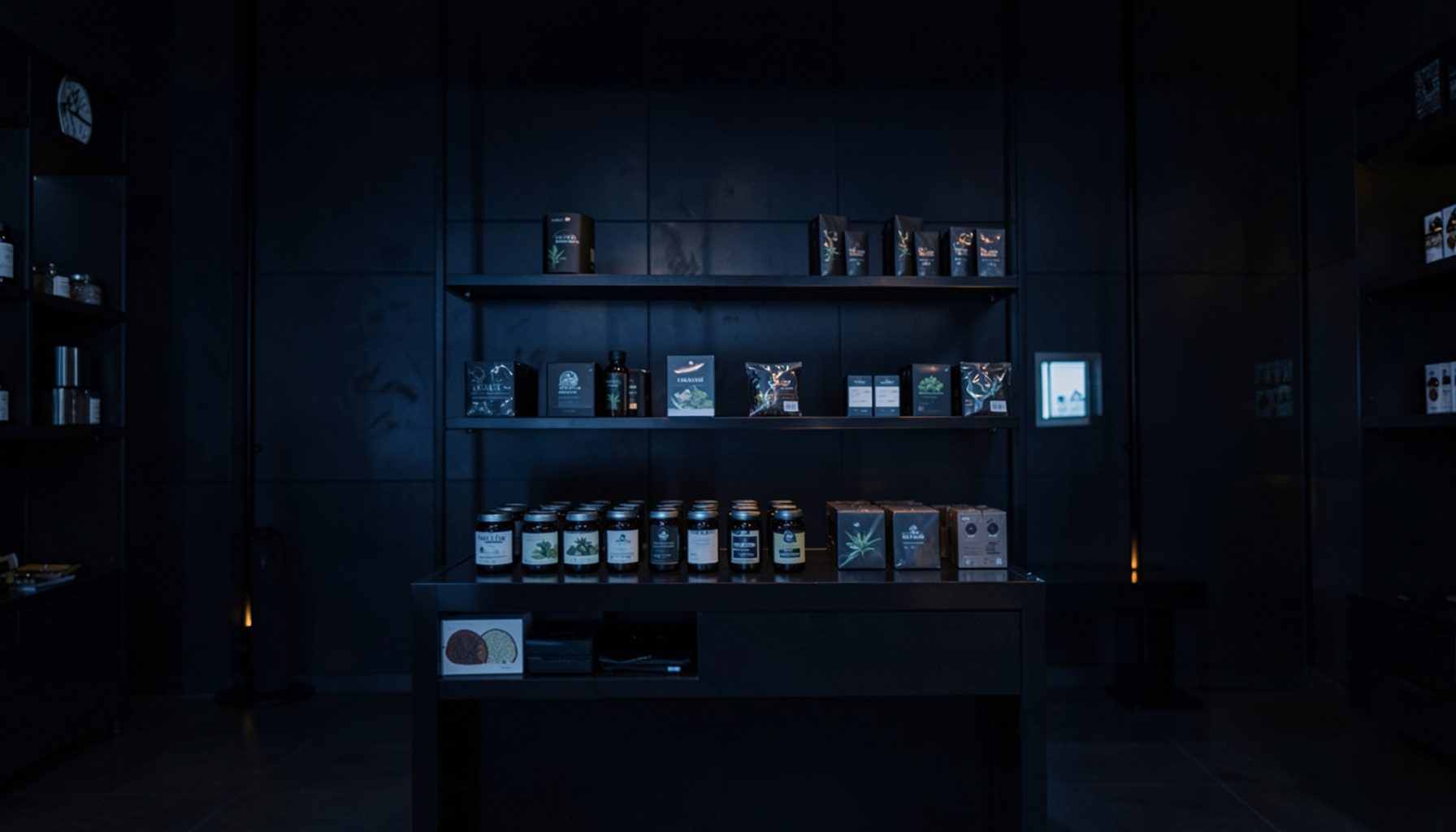
The Role of Humidity in Preserving Your Cannabis Stash
Fresh cannabis depends on a delicate balance. Too little moisture can leave flower brittle, harsh, and less aromatic, while too much creates an environment where mold and other contaminants may develop. Humidity control is therefore a practical part of protecting flavor, texture, potency, and overall product quality after your order arrives.
The ideal storage approach varies by product. Flower and pre-rolls are most sensitive to changes in moisture, whereas vape cartridges, liquid diamonds, live resin, and sealed concentrates require greater attention to temperature, light, and package integrity. Knowing these differences helps you avoid using the wrong storage method for every item in your stash.
A few simple tools make a noticeable difference: an airtight container, a small hygrometer, a cannabis-specific humidity pack, and a cool, dark storage location. With those basics, you can create a stable environment instead of relying on guesswork or opening the jar repeatedly to inspect it.
Why Moisture Balance Matters
Cannabis flower contains natural oils and aromatic compounds that contribute to its scent, taste, and character. When flower becomes excessively dry, those compounds can dissipate more quickly, and the material may burn too fast. The smoke or vapor can feel rougher, while the flower loses the springy texture many consumers associate with freshness.
Overly damp flower has a different set of problems. Moisture trapped inside dense buds can encourage microbial growth, especially when the container is warm and poorly ventilated. Flower that feels wet on the outside may still contain uneven pockets of moisture inside, making casual inspection unreliable.
Humidity also affects how easily flower breaks apart and burns. Extremely dry material may crumble into fine dust and pass through a grinder screen, while overly moist material can clog a grinder and burn unevenly. Stable relative humidity helps preserve a more consistent texture over time.
Product packaging can provide useful clues about expected quality, but storage conditions remain important after opening. For a broader understanding of how package information relates to a product, review this THC percentage guide alongside the cultivation, testing, and storage details provided by the retailer.
Finding A Practical Humidity Range
For many consumers, a relative humidity range around 58% to 62% works well for storing cannabis flower. This range is not a rigid rule for every strain or container, but it offers a useful target for maintaining pliability without making the buds excessively moist. A small digital hygrometer can show whether the air inside the jar is close to that range.
Relative humidity describes how much moisture the air holds compared with the maximum it could hold at a given temperature. It does not directly state how much water is inside the flower. A jar reading of 60% is helpful, but the flower’s texture, aroma, and appearance should still be considered together.
Newly opened flower may need several hours to settle after being placed in an airtight container. Avoid making repeated adjustments immediately. Give the container time to reach equilibrium, then check the hygrometer and examine a small amount of flower in good lighting.
Temperature matters alongside humidity. A warm room can accelerate degradation and make moisture problems more pronounced, even when the humidity reading appears acceptable. A stable cupboard or drawer away from sunlight, radiators, appliances, and hot vehicles is generally preferable to a windowsill or bathroom cabinet.
Choosing Containers And Humidity Tools
Glass jars with reliable seals are a common choice for flower because they limit air exchange and do not easily retain odors from previous contents. The container should be appropriately sized: excessive empty space means more air is trapped inside, while packing buds too tightly can restrict airflow and create uneven moisture pockets.
A humidity-control pack designed for cannabis storage can help maintain a target range inside a sealed container. Use the size recommended by the manufacturer, and replace the pack when it becomes firm or dried out. These products are intended to stabilize moisture gradually, not to rehydrate severely damaged flower instantly.
Avoid placing water, fruit peels, bread, or other household items directly into a cannabis container. Such methods can introduce bacteria, odors, and uncontrolled moisture. They may also make the surface feel softer while leaving the inside of a dense bud too wet, which increases storage risk rather than solving it.
The right method depends on what you are storing. This quick comparison can help separate humidity-sensitive products from items that need a different preservation strategy.
| Product | Main Storage Concern | Suitable Approach | Warning Sign |
|---|---|---|---|
| Flower | Moisture balance and light | Airtight glass jar, hygrometer, cannabis humidity pack | Musty smell, fuzzy growth, or unusual dampness |
| Pre-rolls | Drying, crushing, and uneven burn | Keep in original tube or sealed container away from heat | Cracked paper, loose flower, harsh burn |
| Live resin | Heat, light, and air exposure | Keep sealed, cool, and handled minimally | Darkening, excessive separation, or altered aroma |
| Liquid diamonds | Temperature and package seal | Store upright in original packaging in a cool area | Leaking, damaged seal, or unexpected cloudiness |
| Vape cartridges | Heat, sunlight, and leakage | Keep upright and away from hot environments | Oil movement, clogging, or a compromised cartridge |
| Branded apparel | Moisture and odor transfer | Dry storage away from cannabis containers | Damp fabric or lingering storage odor |
Recognizing Dryness, Excess Moisture, And Mold
Dry flower often feels fragile and breaks apart with little pressure. The aroma may seem muted, and the material can burn quickly. A small amount of dryness is not necessarily a safety concern, but continued exposure to hot, moving air can reduce the sensory qualities you wanted to preserve.
Flower with too much moisture may feel spongy, stick together, or resist grinding. A grassy or musty smell is a warning sign, particularly if it is accompanied by web-like strands, white or gray fuzz, or spots that were not present when the product was purchased. Do not attempt to salvage visibly moldy cannabis by removing the affected section.
Mold can spread through material in ways that are not obvious from the outside. Heating or burning questionable flower is not a dependable way to make it safe. If the product appears contaminated, stop using it and contact the retailer or brand through an official support channel with your order information and photographs when appropriate.
A hygrometer reading alone cannot confirm that flower is safe. It measures air conditions in the container, not the presence or absence of microbial contamination. Use the reading as one part of a broader inspection that includes smell, texture, color, and packaging condition.
Adjusting Storage For Different Products
Pre-rolls generally benefit from remaining in their original tubes or another protective, airtight package. Their paper can absorb moisture, and physical movement may loosen the contents. Keep them away from heat and avoid carrying them loose in a pocket or bag where changing temperatures can affect texture and draw.
Live resin and liquid diamonds are concentrates, so humidity is less central than exposure to air, light, and heat. Keep these products sealed in their original containers, store them in a cool, dark place, and limit the time the package remains open. A refrigerator is not automatically necessary and may introduce condensation when a cold container is opened in a warm room.
Vape cartridges should usually be stored upright to reduce the chance of oil migrating into the mouthpiece or airflow path. Do not leave them in a parked car, near a window, or beside a heat-producing device. Excessive temperature can change viscosity and contribute to leakage, clogging, or hardware problems.
Branded apparel should be stored separately from open cannabis containers. Fabric can absorb scent and moisture, particularly in a closed drawer or shipping box. Keeping merchandise clean and dry preserves its appearance while preventing odor transfer between products.
Building A Consistent Storage Routine
Good storage is easier when it becomes part of a regular routine. When opening a new flower package, note the date, inspect the product, and transfer it only if the new container is clean and odor-free. Labeling the jar with the strain or product name can prevent unnecessary opening and handling later.
Check a hygrometer periodically rather than constantly. Frequent opening changes the air inside the container, and repeated handling can damage trichomes or transfer oils from your hands. A quick weekly review is usually enough for a stable stash, while older or frequently opened flower may deserve closer attention.
Keep cannabis in a secure location that is inaccessible to children, pets, and unauthorized users. The storage area should be dark, dry, and moderately cool, but it should not expose products to freezing temperatures or condensation. Original labels and package information should remain available, especially for products with expiration, batch, or testing details.
Authenticity is another part of responsible preservation. Counterfeit or improperly stored products may have unreliable packaging and unknown contents, so use this resource to verify product authenticity before relying on storage claims or consuming an unfamiliar item.
Practical Habits For A Fresher Stash
Small adjustments often protect cannabis more effectively than complicated equipment. Focus on consistency, limit exposure to air and light, and treat each product according to its formulation rather than applying one storage rule to everything.
Use these habits as a simple reference:
- Store flower in a sealed, appropriately sized container with a small hygrometer.
- Aim for a stable mid-range humidity near 58% to 62% for most flower, while checking texture and aroma as well.
- Use only humidity-control products made for cannabis, and replace them according to their instructions.
- Keep concentrates and vape cartridges sealed, upright when appropriate, and away from heat and direct sunlight.
- Discard cannabis with visible mold, a persistent musty odor, or unexplained contamination instead of trying to restore it.
A well-managed stash should retain its intended aroma, texture, and appearance for longer, but no storage method can reverse age, contamination, or poor initial handling. Buy from reputable sources, inspect packaging when your order arrives, and follow the product’s label and local requirements.
Choose the right container, measure the environment, and make a quick inspection part of your routine. With those steps in place, your flower, pre-rolls, concentrates, and cartridges are better positioned to preserve their quality from delivery through your final session.