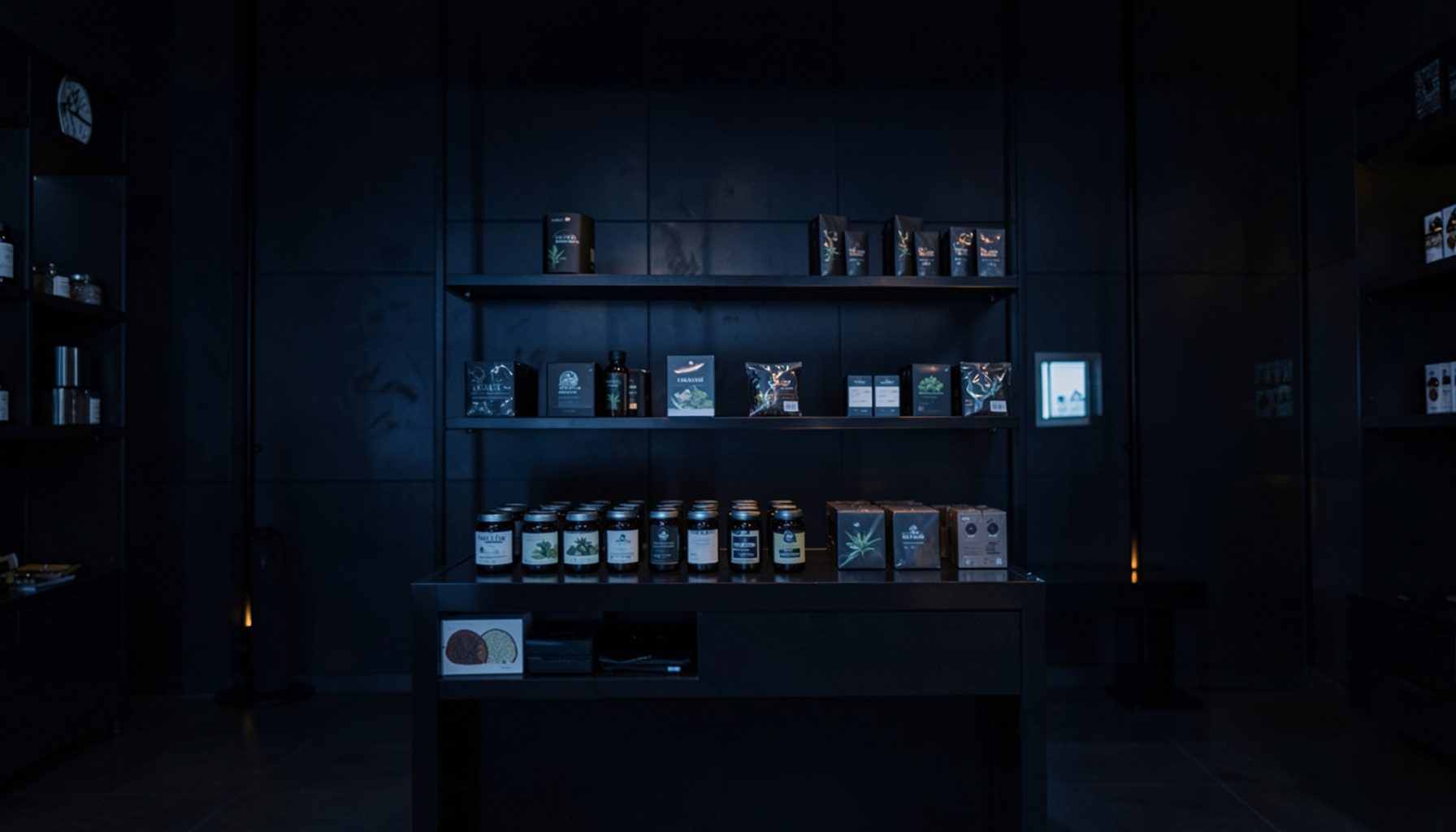
Exploring the Flavor Profiles of Popular Sativa Strains
Sativa strains are often associated with bright aromas, energetic character, and layered terpene profiles that make each cultivar distinct. Their flavor can range from sharp citrus and tropical fruit to pine, herbs, pepper, and earthy spice. For many cannabis enthusiasts, tasting these differences is as important as considering potency or product format.
Flavor begins with genetics, but it is shaped by cultivation, curing, extraction, and storage. The same strain name may express slightly different notes from one harvest to another, while a flower, vape cartridge, live resin, or liquid diamond can present the profile in its own way. Learning the common patterns makes it easier to choose products that match personal preferences.
Sativa labeling should be treated as a general category rather than a guarantee of a particular experience. Terpenes, cannabinoids, freshness, and individual sensitivity all influence how a product tastes and feels. Reviewing test information and buying from a retailer that emphasizes authenticity can help create a more consistent experience.
Why Sativa Flavors Stand Out
Many popular sativa-dominant strains contain terpenes associated with vivid, expressive aromas. Limonene may contribute lemon, orange, or grapefruit impressions. Pinene often brings fresh pine and resinous forest notes, while caryophyllene can add black pepper and warm spice. Myrcene may soften a profile with herbal or earthy tones, although its presence does not automatically determine a product’s effects.
The nose and palate can also detect secondary notes that are easy to miss at first. A citrus-forward strain may carry hints of diesel, mint, tropical fruit, or floral sweetness beneath the dominant aroma. Grinding flower releases more volatile compounds, while vaporization can highlight delicate flavors that become less apparent at higher temperatures.
Cultivation and post-harvest handling matter just as much. Properly cured flower tends to offer clearer separation between fruit, spice, and earth notes. If cannabis is stored in excessive heat or exposed to dry air, its aroma may become muted or harsh. Freshness, packaging, and batch-specific laboratory information are useful details when comparing similar products.
Citrus, Fruit, And Tropical Notes
Citrus is one of the most recognizable flavor families in the sativa category. Super Lemon Haze commonly evokes lemon candy, tart citrus peel, and a light floral sweetness. Tangie is often associated with tangerine, orange zest, and a juicy aroma, while strains with strong limonene expression may remind some people of grapefruit or lime.
Tropical profiles bring a softer and sweeter direction. Mango, pineapple, papaya, and passion fruit notes can appear in cultivars such as Green Crack or other fruit-forward hybrids marketed with sativa characteristics. These flavors may be especially noticeable in live resin, where the extraction process is designed to preserve more of the plant’s aromatic compounds.
Sweetness is not always the same as fruitiness. Some strains taste like sugar-coated citrus, while others are closer to fresh fruit with a tart finish. When selecting a pre-roll or cartridge, descriptions such as “orange,” “mango,” “lemon,” or “candy” provide a useful starting point, but the certificate of analysis and actual batch profile offer a more reliable guide.
Pine, Herb, And Spice In Classic Cultivars
Jack Herer is widely recognized for a complex profile that may combine pine, lemon, herbs, and a subtle earthy sweetness. Its flavor is rarely one-dimensional; the initial citrus note can give way to a dry, resinous finish. Durban Poison is often described with anise, licorice, pine, and spicy herbal elements, creating a sharper profile than fruit-heavy cultivars.
Sour Diesel takes a different route, pairing fuel-like pungency with lemon, herbs, and a slightly peppery edge. The “diesel” description refers to an aroma family rather than a literal flavor, and some batches may express more citrus or earth than gasoline. Acapulco Gold is often associated with warm spice, toasted earth, tropical fruit, and a faint nuttiness.
These classic strains appeal to consumers who prefer savory or aromatic cannabis flavors over candy-like sweetness. Their profiles can be especially interesting in flower, where combustion or lower-temperature vaporization reveals different layers. In concentrates, the same genetics may taste more intense, resinous, or sharply defined.
| Strain Style | Common Flavor Notes | Terpene Associations | Product Formats To Explore |
|---|---|---|---|
| Lemon-forward sativa | Lemon peel, citrus candy, floral sweetness | Limonene, terpinolene | Vape cartridges, flower |
| Orange and tropical | Tangerine, mango, grapefruit, pineapple | Limonene, myrcene | Live resin, pre-rolls |
| Pine and herbal | Pine needle, fresh herbs, resin, light citrus | Pinene, terpinolene | Flower, liquid diamonds |
| Diesel and sour | Fuel, lemon, pepper, skunk, earth | Caryophyllene, limonene, myrcene | Cartridges, live resin |
| Spice and anise | Licorice, black pepper, warm herbs | Caryophyllene, terpinolene | Flower, pre-rolls |
| Sweet and candy-like | Sugared fruit, tropical candy, soft cream | Limonene, linalool, myrcene | Vapes, infused products |
How Product Format Changes Flavor
Flower usually provides the broadest tasting experience because it retains the plant’s natural structure and a wider range of aromatic compounds. A well-cured sativa flower can move from bright top notes into earthy, woody, or spicy undertones. Pre-rolls offer convenience and a ready-to-use format, though their flavor may depend on the grind, paper, storage conditions, and time since production.
Vape cartridges can make citrus, fruit, and candy notes feel especially direct. Distillate often has a cleaner and simpler flavor profile, while botanical or cannabis-derived terpenes can shape the final aroma. Consumers who want a fuller expression may prefer live resin cartridges, since fresh-frozen material is processed to retain a broader range of volatile compounds.
Liquid diamonds are known for a highly refined concentrate format and can deliver a potent, concentrated taste when paired with strain-specific terpene expression. Because intensity can be greater than with traditional flower, small amounts are appropriate for adults who are new to concentrates. Product descriptions, potency information, and batch testing should guide the selection rather than flavor language alone.
Reading Terpenes And Testing Information
A terpene label can help explain why two products with similar sativa branding taste completely different. Limonene is commonly linked with lemon and orange aromas, pinene with pine and forest freshness, and caryophyllene with pepper or clove. Terpinolene often appears in bright, complex profiles featuring floral, herbal, citrus, or lightly sweet notes.
These associations are useful, but they are not exact tasting rules. A strain’s total terpene percentage, the balance among individual terpenes, and the presence of minor aromatic compounds all matter. Cannabinoid levels also help describe potency, yet they do not predict whether a product will taste like mango, diesel, or pine.
Look for current laboratory results that identify cannabinoids, terpene content, production details, and screening for contaminants. A retailer’s emphasis on product authenticity and testing gives shoppers more confidence when comparing products across brands. If a product description does not match the packaging or if a batch has an unusual odor, the retailer’s customer support team can provide useful clarification before purchase.
A Practical Way To Taste Cannabis
A simple tasting routine can make flavor differences easier to recognize. Begin by observing the aroma before use, then note the first flavor impression and the finish. Terms such as “bright,” “sharp,” “creamy,” “resinous,” “dry,” “sweet,” and “savory” can be more helpful than trying to identify an exact fruit immediately.
Use the same method when comparing products. For example, sample a citrus-forward flower beside an orange-flavored cartridge, or compare a pine-heavy pre-roll with a diesel-style live resin. Differences in extraction and heating will remain, but a consistent approach helps reveal which flavor families are most appealing.
Storage also protects the experience. Keep cannabis in a cool, dark, controlled environment and avoid leaving cartridges or flower in hot vehicles. Open packages only when needed, follow the product’s instructions, and avoid mixing several highly potent products during a tasting session. Adults should start with a small amount, allow time to assess the experience, and keep cannabis away from children and pets.
Choose A Flavor Profile That Fits
Rather than selecting a strain solely because it is labeled sativa, match its aroma family to your preferences and intended format. Shoppers who enjoy refreshing flavors may gravitate toward lemon, lime, orange, or pine. Those who prefer richer notes may find diesel, pepper, earth, or tropical fruit more satisfying.
Useful buying habits include:
- Read the terpene profile and batch-specific test results before focusing on strain names.
- Choose flower or pre-rolls for a more traditional plant character and live resin for fuller aromatic intensity.
- Select cartridges or liquid diamonds when convenience and concentrated flavor are priorities.
- Compare flavor descriptions across brands, since “citrus” can mean tart lemon, sweet orange, or grapefruit-like bitterness.
- Begin with a modest serving, especially when trying a high-potency concentrate or unfamiliar cultivar.
Brand presentation can also be part of the experience for enthusiasts who enjoy cannabis culture beyond the product itself. Limited releases and branded apparel may complement a collection, while seasonal or small-batch products can offer new terpene combinations without requiring a permanent commitment to one strain.
Find Your Next Cannabis Flavor
Exploring sativa flavor profiles becomes more rewarding when you pay attention to the details behind the label. Citrus, tropical fruit, pine, diesel, herbs, and spice each offer a different route into the world of cannabis aromas, and the same genetic family can taste surprisingly different across flower, vapes, pre-rolls, live resin, and liquid diamonds.
Browse tested products from trusted brands, compare terpene information, and select a format that suits your preferences and experience level. For a convenient way to explore a distinctive product in the catalog, view Baby Cannon pre-rolls, then continue discovering the flavor profiles that make each release memorable.