Cannabis strains that can support creative projects and art
Creative work often depends on a particular mental atmosphere. A painter may want loose visual associations, while a songwriter may prefer emotional depth and steady concentration. The best cannabis strains for creative projects and art are therefore not the same for everyone: the useful choice depends on the task, tolerance, setting, and product format.
Cannabis can influence perception, mood, sensory attention, and the pace of thought, but its effects are highly individual. A strain marketed as energising may feel distracting to one person and motivating to another. Potency, terpene profile, recent use, sleep, food, and personal experience all shape the result.
Australian readers also need to approach the subject within local law. Recreational cannabis remains illegal across Australia, including Sydney, Melbourne, Brisbane, Perth, and Adelaide, while medical access requires a prescription through the authorised system. Products from an overseas retailer cannot simply be imported for personal use, so information about American products should be treated as educational rather than a purchasing route.
How creative cannabis effects actually differ
Sativa and indica labels are familiar, but they are an imperfect guide to a product’s experience. A better starting point is the combination of cannabinoid content, terpene composition, dose, and individual response. THC may produce stimulation, altered time perception, and free association, while CBD is generally less intoxicating and may suit people who want a calmer experience.
Terpenes are aromatic compounds found in cannabis and many other plants. Limonene is commonly associated with citrus aromas and an upbeat mood, pinene with pine-like freshness and alertness, and linalool with floral notes and relaxation. These associations are useful when comparing products, yet they should not be treated as guarantees. Lab testing, transparent labelling, and a controlled trial are more reliable than a strain name alone.
Creative cannabis use also benefits from restraint. A small amount may leave enough working memory for sketching, editing, or arranging music, whereas a high dose can impair short-term recall and make a simple task feel more complicated. Anyone experimenting should avoid driving, operating tools, swimming, or making important decisions.
Strains that suit visual art and design
Blue Dream is often chosen by people seeking a bright, imaginative profile with a relatively functional feel. Its berry and herbal character can pair well with mood boards, colour studies, collage, and early-stage concept development. The main appeal for visual artists is the possibility of relaxed curiosity without immediately becoming heavy or sleepy.
Sour Diesel is another familiar option for artists who enjoy a sharper, energetic experience. Its pungent citrus and fuel-like aroma is often linked with alertness and fast-moving ideas, making it a potential match for brainstorming, street photography, graphic design, or experimental mixed media. Its intensity can become uncomfortable for people prone to anxious thoughts, so lower potency and a familiar environment matter.
Jack Herer may suit artists who want a balance between mental stimulation and physical ease. Its spicy, piney profile is frequently associated with a clear-headed creative lift, although individual batches can vary substantially. A product with verified cannabinoid and terpene results is a more meaningful choice than relying on the name printed on the package.
Options for music, writing, and idea generation
Durban Poison has a reputation for a lively, focused character and a sweet, anise-like aroma. Some musicians and writers associate it with rhythmic thinking, rapid ideation, and the willingness to follow an unusual concept. It can be useful during freewriting or sound exploration, but the same stimulating quality may make detailed proofreading harder.
Green Crack, despite its unfortunate name, is commonly described as energising and mentally active. People who work in short creative bursts may find that profile appealing for lyric drafts, beat selection, animation planning, or digital illustration. As with any high-THC product, the name does not predict the exact experience, and excessive use can cause restlessness rather than productive momentum.
For more emotionally driven work, Wedding Cake or Gelato may provide a warmer, more immersive mood. Their sweet, creamy profiles and often substantial THC levels can complement poetry, character development, intimate photography, and expressive painting. They are usually better suited to generating raw material than completing technical revisions, because strong intoxication can affect sequencing, spelling, timing, and judgement.
Calmer choices for craft and detail
Creative work is not always about chasing a rush of ideas. Pottery, knitting, model-making, calligraphy, jewellery design, and intricate drawing often require patience and sustained attention. A balanced product with moderate THC, or a CBD-forward option, may be more appropriate than a very potent flower or concentrate.
Granddaddy Purple and Northern Lights are commonly associated with a slower, more settled experience. Their earthy, sweet, and sometimes floral aromas may fit evening projects, reflective journaling, or repetitive handcrafts. They can also encourage drowsiness, so they are less suitable for work involving sharp blades, hot kilns, soldering irons, or other hazards.
Cannabis concentrates require special care in this category. Liquid diamonds, live resin, and infused pre-rolls can deliver considerably more THC than a person expects from ordinary flower. The infused selections available from a retailer such as Jeeter’s may appeal to experienced consumers in permitted US markets, but concentrated products are rarely the best starting point for someone testing cannabis alongside a creative routine.
Choosing a format for the project
Flower allows a person to observe aroma, start with a small amount, and pause before deciding whether more is appropriate. That gradual approach can be useful for a long painting session or a relaxed afternoon of sketching. However, smoking may irritate the lungs, and Australian consumers should not assume that a legally sold overseas product can be shipped into the country.
Vape cartridges are discreet and fast-acting, which may seem convenient for a short writing session or a gallery visit. Their speed can also encourage accidental overconsumption. Cartridges should be purchased only through regulated channels where permitted, with clear information about ingredients, potency, hardware, and testing.
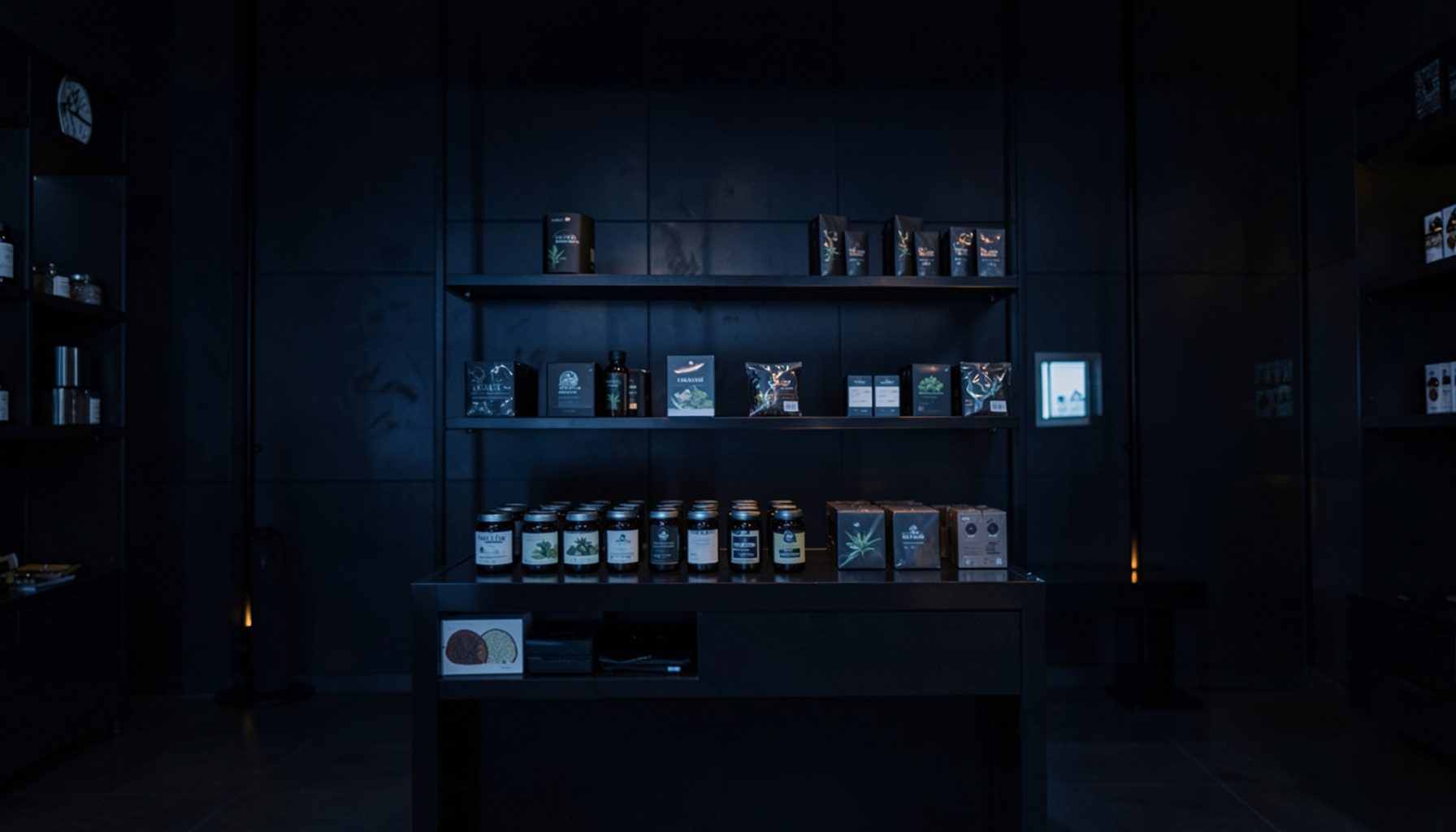
Pre-rolls are convenient for people who do not want to prepare flower, while live resin preserves a strong aromatic profile and liquid diamonds are valued for potency and refinement in some US markets. These formats vary widely in strength and effect. Quality-focused buyers should check batch information, manufacturing details, contaminant screening, and authenticity rather than choosing solely by branding or colourful packaging. The broader Jeeters catalogue shows how products and branded merchandise may be presented to customers in California, Arizona, and Michigan, markets with rules that differ from Australian regulations.
Building a responsible creative routine
The most reliable way to evaluate a strain is to keep the rest of the session consistent. Use a familiar workspace, choose one product, note the amount and time, and record how concentration, mood, sensory awareness, and physical comfort change. This simple journal can reveal whether a particular terpene profile or potency works better for painting than for writing.
Set a practical goal before consuming. Sketch ten thumbnails, write 300 rough words, organise a sample library, or complete one colour study. Clear boundaries help distinguish genuine creative progress from the feeling of being inspired. It is also useful to reserve a sober editing session for cutting, polishing, publishing, and checking measurements.
Australian readers should be especially cautious about possession, cultivation, driving, workplace testing, and travel between states. Rules vary in detail, and medicinal cannabis patients still need to follow prescription and transport requirements. Cannabis may remain detectable after the subjective effects have faded, so using it before commuting from Parramatta to central Sydney, taking a regional train, or attending a job is a poor risk.
A safe setting should include water, food, ventilation, and a way to stop the session easily. Mixing cannabis with alcohol or other intoxicating substances can make impairment less predictable. People with a personal or family history of psychosis, serious anxiety, or problematic substance use should seek professional medical advice before considering cannabis.
Creative inspiration ultimately comes from practice, observation, and a willingness to revise. Cannabis may alter the way a person notices colour, sound, texture, or emotion, but it does not replace craft. The strongest results usually come from matching a modest, well-understood product to a defined task, then returning to the work with a clear head.
Explore strain information, potency details, testing standards, and format differences carefully before making any decision. For Australian residents, speak with an authorised healthcare professional about legal medical pathways and never attempt to import unapproved cannabis products. For eligible customers in permitted US markets, use regulated retailers and treat quality, authenticity, and responsible use as essential parts of the creative process.