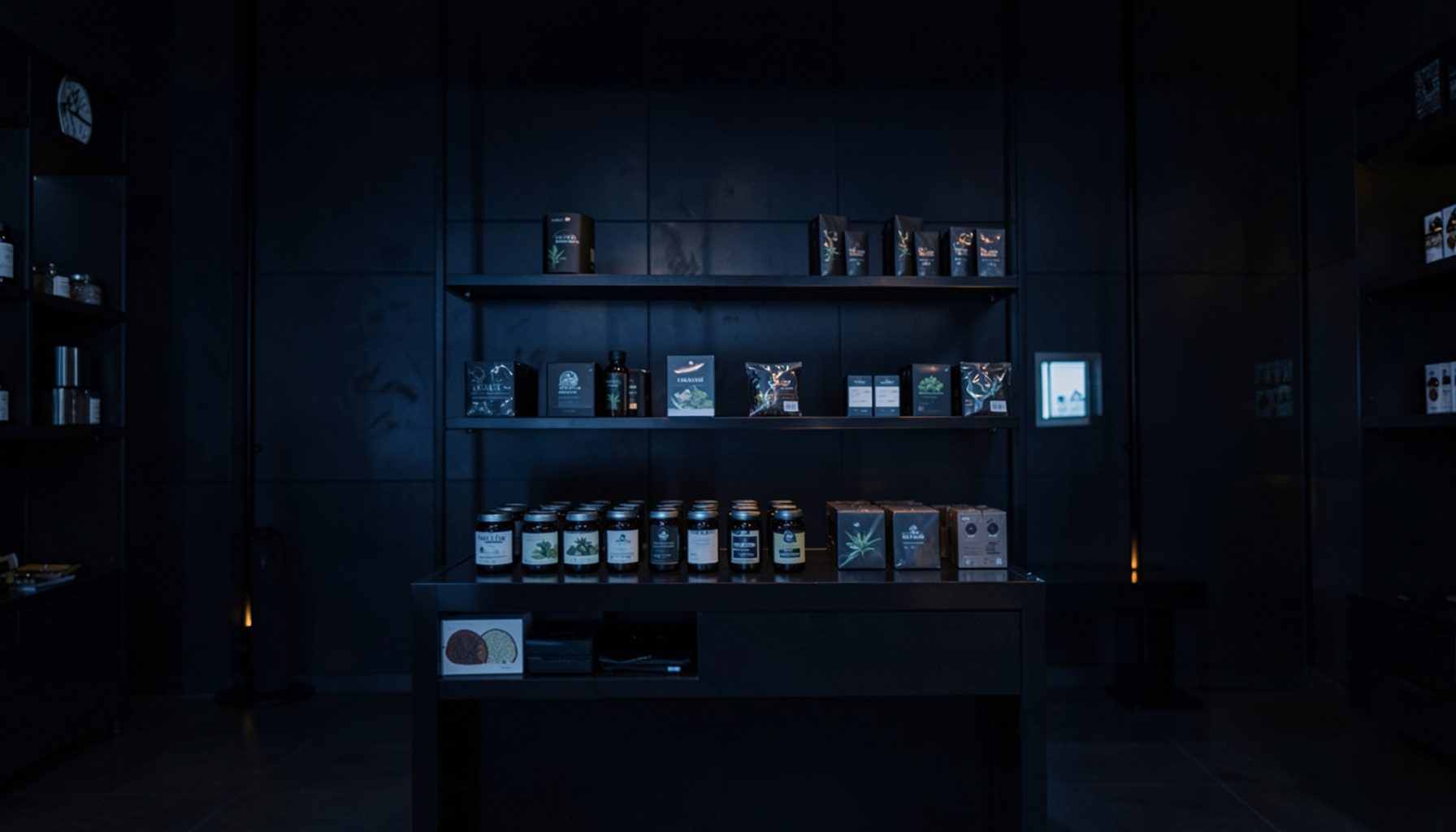
Why Jeeters Pairs Branded Merchandise With Its Cannabis Range
Cannabis retailers once stopped at flower and cartridges. Today the strongest names in the industry treat merchandise as part of the product line rather than a side project. Apparel, accessories, and collectibles carry the same logo, colour palette, and quality standards as a pre-roll or a vape cart, turning a purchase into a visible lifestyle statement.
Australia sits at an interesting intersection of this trend. Recreational cannabis remains restricted largely to the Australian Capital Territory, while a thriving medical pathway runs through the Therapeutic Goods Administration and authorised prescribers. Walk through Melbourne, Sydney, or Brisbane and you will find dispensary-adjacent boutiques, hemp expos, and online stores where branded gear sits comfortably next to packaged product. Australians who once sourced flower quietly now treat cannabis enthusiasm as a social identity, much like craft beer enthusiasts display their brewery favourites.
Jeeters Juice Shop operates with this dual reality in mind. The shop ships pre-rolls, vape cartridges, liquid diamonds, live resin, and flower across California, Arizona, and Michigan, treating apparel as a natural extension of the catalogue rather than an afterthought. Customers find that a well-tied bucket hat or a clean logo tee holds the same standard as a fresh live rosin cart. That consistency builds recognition, and recognition travels further than any paid advertisement.
The strategy reflects how cannabis retail has matured. Buyers now expect their favourite labels to show up in wardrobes, on backpack patches, and at events where the community gathers. A retailer that offers both consumables and wearable identity earns repeat visits, stronger basket sizes, and a deeper relationship with its audience than one that sells only what gets smoked.
Building a lifestyle identity beyond the product
A branded cap or a heavyweight hoodie does something no jar can do in broad daylight. It signals allegiance in a setting where discretion still rules. Customers who wear merch to a mate's barbecue in Perth or a HEMP Embassy gathering in Nimbin quietly advertise their preferences without saying a word. The garment becomes a conversation starter, a small badge within a community that often reads each other sideways.
Jeeters leans into this language of belonging. The apparel line mirrors the same design philosophy used across packaging, hardware, and promotional artwork. Colour blocking, typography, and material choices feel like a set, not a marketing afterthought. Customers recognise the silhouette of a Jeeters bucket hat from across a beer garden the same way sneakerheads spot a rare release in a queue.
Identity also drives impulse behaviour. A person may not need a fresh tee, but a graphic that resonates with their taste in flower and extracts triggers a purchase. The decision blends utility with self-expression, which is why cannabis apparel consistently outperforms ordinary streetwear on enthusiast platforms. Loyalty forms through repeated confirmation that the brand speaks the same visual language as its customers.
| Aspect | Branded Merchandise | Generic Apparel |
|---|---|---|
| Brand identity | Reinforces visual language of the cannabis range | Neutral, no connection to the product line |
| Community signal | Wearable endorsement at events and gatherings | Does not invite conversation among enthusiasts |
| Quality perception | Communicates the same care applied to consumables | Reads as filler, may lower trust in adjacent products |
| Revenue stability | High-margin line that smooths regulated product cycles | Low-margin commodity with weak differentiation |
| Collectibility | Limited drops drive urgency and repeat visits | Permanent availability dulls demand over time |
| Marketing reach | Organic walking endorsements bypass ad restrictions | Requires paid promotion to reach audiences |
Quality signals through visible brand commitment
Merchandise communicates quality long before a consumer opens any flower. When a label invests in durable stitching, soft cotton blends, and clean screen printing, it tells customers that the same care probably went into the consumable line. A cheap shirt beside a premium cartridge feels jarring. A well-executed shirt beside a lab-tested cart confirms the brand pays attention to details that customers cannot always verify on the shelf.
Jeeters applies that same discipline to its testing and documentation practices. The retailer maintains transparent lab reporting and publishes information on how its products meet regulatory thresholds, including details on Arizona testing standards that customers can review directly. Apparel carries the same assurance by extension, since every material choice reflects a team that treats each touchpoint as a quality checkpoint rather than a filler product.
For Australian shoppers, the signal also matters. Medical cannabis users assess legitimacy constantly, weighing authorised prescribers, product reviews, and pharmacist consultations. A retailer that ships consistent craft goods plus reliable apparel earns credibility in both the regulated and lifestyle spaces. Consistency of presentation shortens the mental checklist customers run before clicking add-to-cart.
Community connection in cannabis retail
Cannabis culture thrives on shared rituals. A grinder at a gathering, a specific rolling paper brand, or a matching hoodie at a Saturday market all reinforce belonging. Merchandise operationalises that belonging by giving community members a way to recruit gently. Wearing a Jeeters tee in public is a soft invitation to curious onlookers, and it gives existing fans an easy referral handle.
Australian dispensary culture mirrors this pattern in subtle ways. Even with tighter regulations than in the United States, local cannabis forums, hemp expos, and authorised clinic events rely on visible signals of shared interest. A conversation over a TGA-approved product often begins with a glance at another person's apparel. The visible cue carries more weight in a market where advertising remains heavily restricted.
Retailers that invest in merch give their audience a tool for organic growth. Every garment becomes a walking endorsement, and every accessory a small advertisement that never triggers advertising rules. Over time, this builds a kind of membership that paid media cannot replicate, especially in regions where cannabis promotion tightens year by year.
Diversifying revenue while strengthening the core catalog
Apparel does more than flatter a brand. It diversifies revenue at a moment when cannabis margins face taxes, compliance overhead, and supply volatility. A well-priced tee, hat, or accessory carries healthy margins because production costs are predictable and shipping logistics are straightforward relative to regulated cannabis goods. For a retailer handling compliance paperwork for every cartridge, adding a stable apparel line smooths the revenue curve.
Diversification works only when merchandise stays anchored to the core identity. Generic clothing undercuts the brand promise; aligned merchandise reinforces it. Jeeters uses its apparel line as an extension of the product narrative rather than a separate business unit. Customers browsing flower or extracts notice the matching gear and treat purchases as part of a holistic relationship with the brand.
Australian shoppers notice how integrated merchandise and cannabis retail work in mature markets like California and Michigan. Some local entrepreneurs borrow the playbook for events, pop-ups, and pharmacy-adjacent retail. The lesson is consistent: a strong apparel line strengthens the core catalog, while a weak one distracts from it.
Limited drops and cultural relevance
Scarcity moves product as effectively in cannabis as it does in sneakers and streetwear. A limited-drop hoodie or a numbered accessory creates urgency that a permanent collection cannot. Customers who missed a release talk about it for months, while those who secured one wear it with pride. Jeeters leans into this rhythm with seasonal and region-specific drops that reward loyal fans rather than chase broad mass-market appeal.
The approach suits Australian audiences well. Collector culture runs deep across the country, from limited sneaker drops in Sydney CBD to rare bottle releases in Melbourne laneways. Cannabis enthusiasts carry that same collector instinct, which translates neatly into apparel scarcity. A small-batch bucket hat sold only during a short window creates chatter long after stock clears.
Cultural relevance also flows through these drops. Designs often reference product lines, harvest cycles, or community milestones, giving each garment a story that outlives the fabric. Customers treat the clothing as memorabilia rather than fashion, which extends the shelf life of brand memory well past the point of sale.
Browsing the Jeeters catalogue reveals how each apparel piece ties back to the broader product story. Customers who want to deepen their relationship with the brand can explore the curated drops alongside their usual flower and concentrate picks. Start with a fresh pre-roll or a live rosin cart, then browse the accessories section to see which wearable speaks to your taste in the range. A complete outfit, a complete routine, and a complete brand experience all sit a few clicks away from the main shop.