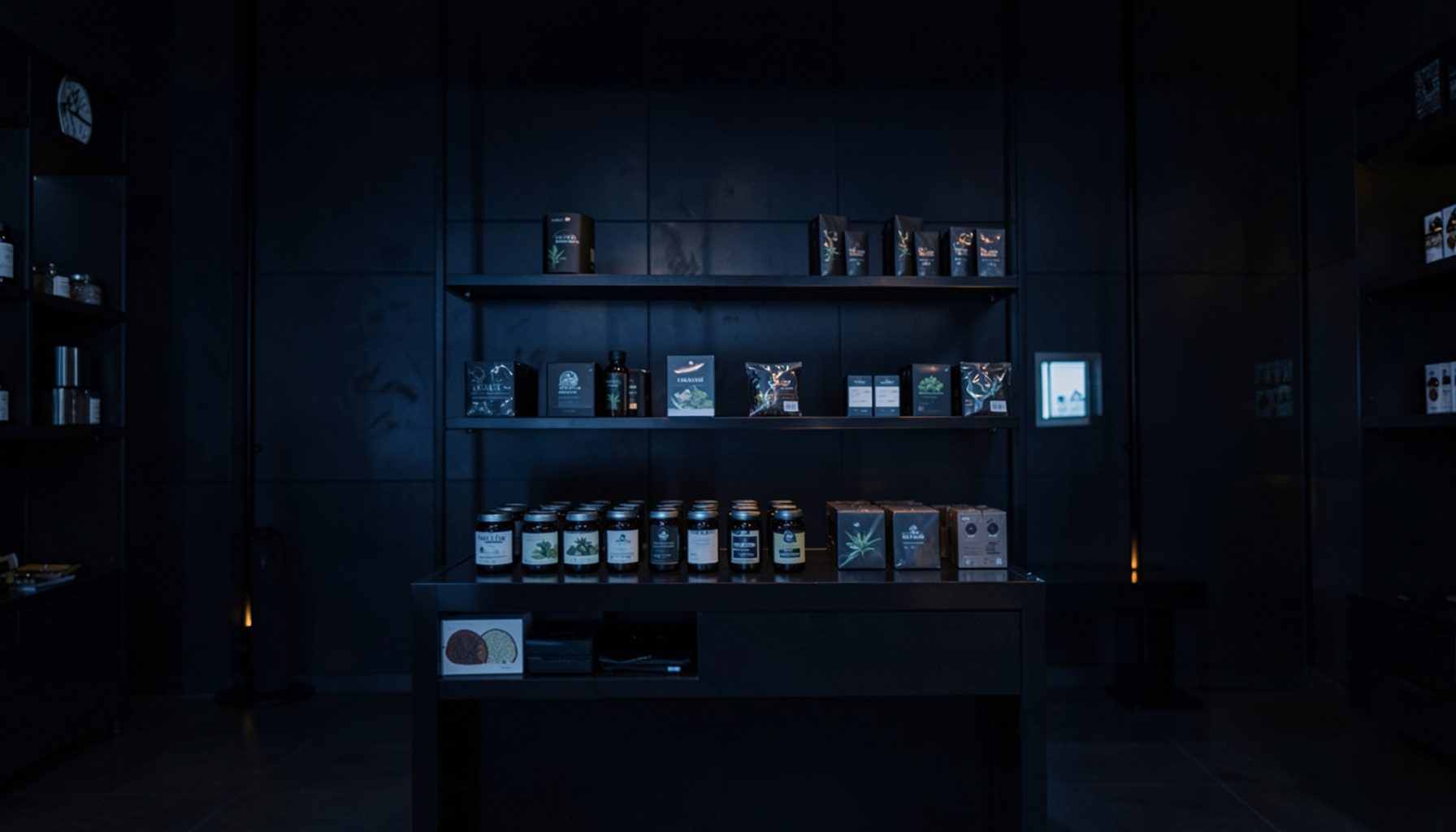
strains for sharper focus during remote work
Working from a home office in Brisbane or a co-working space in Melbourne comes with its own rhythm. The morning starts with a long black or a flat white, the laptop opens by nine, and the inbox fills up before the kettle has even boiled. For many Australian remote workers, the hardest part of the day is not the workload itself but the mental drift that creeps in by mid-afternoon. Concentration can splinter when the dog needs a walk, the toast gets burnt, or a Teams call from a colleague in Phoenix drags on through the evening.
That is where the right cannabis strain can quietly earn its place in a productive routine. Sativa-leaning cultivars, low doses, and clean terpene profiles have long been favoured by creatives, coders, and writers looking for a gentle lift without the heavy couch-lock associated with heavier indicas. The trick is matching the cultivar to the task, the format to the day, and the retailer to a standard you can trust.
Arizona has become a useful reference point for cannabis quality. Dispensaries across Phoenix, Tucson, and Scottsdale have spent years refining their approach to testing, terpene labelling, and small-batch craft flower. Brands that supply that market often set the benchmark for what clean, well-cured product should look and feel like. Australian buyers who appreciate that level of rigour can learn a lot from how their American counterparts shop.
Below is a practical guide to the strains, formats, and habits that remote workers across Sydney, Perth, and Adelaide are leaning on right now. It covers what to look for, what to avoid, and where to source concentrates like live resin without falling for marketing fluff. The goal is simple: a sharper head, a calmer body, and a workday that feels less like a slog.
The focus equation: matching cultivar to task
Cannabis affects concentration in a surprisingly predictable way once you understand the underlying chemistry. THC delivers the lift, but the supporting cast of terpenes, minor cannabinoids, and CBD content shapes whether that lift feels buzzy and creative or foggy and anxious. For daytime focus, most experienced users gravitate towards strains with moderate THC (roughly 15 to 20 percent), a touch of CBD to soften the edges, and a terpene profile heavy in limonene, pinene, or terpinolene.
| Strain type | Typical THC | Common terpenes | Best for | Energy level |
|---|---|---|---|---|
| Sativa-dominant | 18–24% | Limonene, pinene | Creative work, long writing sessions | High |
| Balanced hybrid | 14–20% | Myrcene, caryophyllene | Meetings, admin, sustained attention | Medium |
| CBD-forward | 5–10% THC, 10–15% CBD | Linalool, humulene | Sensitive users, microdosing | Low to medium |
| Indica-dominant | 20–28% | Myrcene, linalool | Evening wind-down only | Low |
The table above is a rough guide rather than a rulebook. A balanced hybrid with the right terpene mix can outperform a pure sativa on certain tasks, particularly when the day involves back-to-back video calls or detailed spreadsheet work. Conversely, a sativa-dominant strain with too much myrcene can feel sedating rather than stimulating, which is why reading the lab report matters more than the strain name alone. Australian medicinal cannabis patients working under the Therapeutic Goods Administration framework often receive detailed cannabinoid and terpene breakdowns with every prescription. That habit of demanding lab data is a useful one for any buyer, regardless of jurisdiction.
Sativa picks worth knowing
A few cultivars have earned a loyal following among remote workers for their reliably clear-headed effects. Durban Poison, a landrace sativa from South Africa, is famous for its sweet anise aroma and racy, almost coffee-like energy. It pairs well with morning writing blocks or creative brainstorming sessions where ideas need to flow quickly. Jack Herer, named after the legendary cannabis activist, offers a slightly softer lift with a pine-forward terpene profile that many users describe as clean and functional.
Green Crack, despite its divisive name, remains a staple in many Australian dispensaries and online menus for one reason: it works. The mango-and-citrus aroma comes from a heavy dose of terpinolene, and the effect is usually a sharp mental buzz without the jittery heart-racing quality that some sativas produce. For workers who find Durban Poison a touch too intense, Green Crack offers a smoother ride. Super Lemon Haze deserves a mention for anyone who enjoys a citrus-forward profile and a long-lasting cerebral lift.
Tangie, a cross between California Orange and a Skunk hybrid, brings a bright tangerine nose and a heady, euphoric effect that is well suited to tackling creative briefs. When shopping for these strains, it pays to look for batches with total terpene content above two percent. Higher terpene numbers generally signal a more aromatic, flavourful, and effective product. A retailer that publishes batch-specific lab reports rather than generic strain averages is usually a safer bet.
Terpenes that drive concentration
Terpenes deserve more attention than they typically get. These aromatic compounds give cannabis its smell, but they also shape the high in ways that THC alone cannot explain. Pinene, found in pine needles and rosemary, is associated with alertness and memory retention. Limonene, common in citrus peels, tends to lift mood and reduce stress. Terpinolene, present in lilacs and nutmeg, produces a complex effect that many users describe as both uplifting and slightly spacey in higher doses.
For focus-driven sessions, a product rich in pinene and limonene tends to perform best. Caryophyllene, the spicy terpene also found in black pepper, brings an anti-inflammatory kick that some users find helpful during long sitting sessions. Myrcene, by contrast, is the terpene most associated with couch-lock and should generally be avoided during work hours unless the goal is a midday nap. Concentrates like live resin preserve more of the original terpene spectrum than cured extracts because the plant is frozen immediately after harvest.
Readers interested in the finer points of judging resin quality can learn more from a clear walkthrough on spotting quality live resin. The guide covers consistency, colour, aroma, and lab transparency in plain language, which makes it easier to separate craft batches from mass-produced extracts.
Fitting cannabis into the Aussie remote routine
Time zone headaches are real for Australian remote workers collaborating with US-based teams. AEST is roughly seventeen hours ahead of Arizona Standard Time, which means a 9 am meeting in Phoenix lands at 2 am in Sydney. Many Aussies split their day into an early morning block for American clients and a quieter afternoon for deep work. Cannabis can slot neatly into that rhythm when used thoughtfully.
A microdose of a sativa vape taken at 7 am, before the first American call, can carry through to lunch without the afternoon slump. Some workers prefer a small edible, around 2.5 to 5 milligrams of THC, paired with a flat white from the local cafe in Fitzroy or a takeaway brew from a servo on the Pacific Highway. The slower onset of an edible pairs well with tasks that demand sustained attention rather than a sharp initial lift.
Aussie slang for a quiet afternoon at the laptop is something like having a fair dinkum arvo at the desk. It is that stretch where the inbox has settled, the meetings are done, and there is room to actually do the work. A balanced hybrid flower rolled into a small joint or packed into a dry herb vaporiser can make that block more enjoyable without tipping into distraction. The key is keeping doses low and staying hydrated, especially during the warmer months up north. Workers based in regional centres like Byron Bay, Noosa, or Hobart often face fewer interruptions than their city counterparts and can stretch a slightly stronger sativa across a longer morning routine.
Choosing the right format for daytime use
Vape cartridges dominate the convenience market for good reason. They are discreet, fast-acting, and easy to dose in small puffs. A quality distillate or live resin cart paired with a rechargeable battery is a sensible choice for someone working from a shared co-working space in Collingwood or a serviced office in Barangaroo. The smell is mild, the effect kicks in within minutes, and there is no lingering odour on clothing.
Flower remains the classic format for a reason. The terpene expression in well-cured, hand-trimmed buds is hard to beat, and the ritual of grinding and packing a bowl can be a pleasant way to signal the start of a focused block. Dry herb vaporisers offer a middle ground, heating the flower just enough to release cannabinoids without combustion. This produces a cleaner taste and a clearer head for many users.
Edibles and tinctures suit workers who want a longer, slower effect without thinking about re-dosing. They are harder to dose accurately, especially for newcomers, and the onset can take 45 minutes to two hours. For that reason, most focus-driven users treat edibles as an evening tool rather than a daytime one. A 2.5 mg mint or a low-dose tincture dropped into a cup of tea can wind the day down nicely without disrupting sleep. Concentrates like wax, shatter, and live resin sit at the stronger end of the spectrum and are best reserved for experienced users with established tolerance.
Sourcing from retailers you can trust
Quality varies wildly across the cannabis market, which is why the retailer matters as much as the strain. A trustworthy shop will publish lab results from independent third-party testing, store products in climate-controlled environments, and rotate stock quickly enough that nothing sits on a shelf for months. Staff should be able to answer questions about terpene profiles, harvest dates, and curing methods without resorting to vague marketing language.
Australian buyers navigating the legal landscape will notice that recreational cannabis remains tightly restricted outside the ACT, and medicinal access flows through authorised prescribers and the Special Access Scheme. Many Aussies interested in craft American brands end up researching online retailers based in legal US states, then comparing notes through community forums and review sites before committing to a purchase. The habits translate well: ask for lab data, check the harvest date, and read recent customer feedback.
A solid starting point for anyone exploring the broader catalogue is the main Jeeters Juice Shop platform, which carries pre-rolls, vape cartridges, liquid diamonds, live resin, flower, and branded apparel from a curated list of brands. Their focus on product quality, authenticity, and customer support makes them a useful benchmark for what a serious online retailer should look like, whether you are based in Phoenix or Paddington. From there, it is a matter of matching the right cultivar to the right task, the right format to the right hour, and the right retailer to your own standards. A few careful purchases, a little note-taking, and a willingness to adjust doses will get most users to a reliable daytime routine within a month, and the reward is a workday that feels sharper, calmer, and a good deal more pleasant from the first email to the last task closed before knock-off.