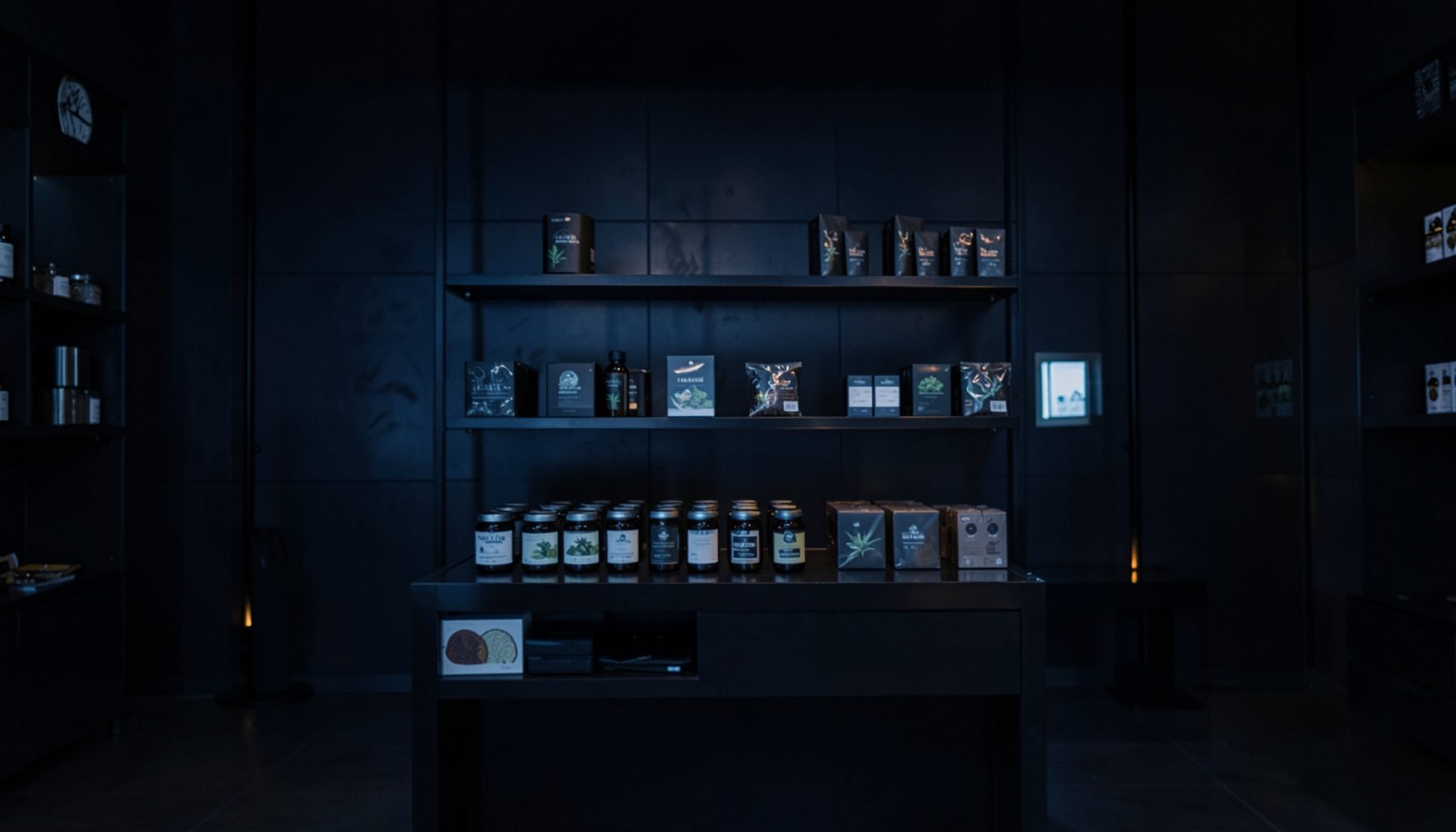
How to spot freshness in Jeeters flower before purchase
Freshness affects the aroma, flavour and overall enjoyment of cannabis flower. Recently cured buds generally have a balanced scent, vibrant colour and a springy texture, while poorly stored flower can become dull, dry or harsh. Visual inspection helps, although no single sign proves that a product is fresh, safe or properly cured.
Buyers should also examine the packaging, harvest or production date, batch information and available laboratory results. Those details matter because colour and aroma can be affected by lighting, strain, storage conditions and the seller’s preparation method. A clear photograph may show the flower, but it cannot replace checking the actual package and its documentation.
Jeeters is a United States retailer serving California, Arizona and Michigan, so Australians should not assume that its online checkout accepts local orders. Cannabis remains illegal for recreational use at the federal level in Australia, while lawful access generally requires a prescription and a state-authorised medicinal pathway. The freshness checks below can help when comparing lawful products, but they do not make an unauthorised purchase legal.
Learn what well-cured flower should look like
Start with the product information in the Jeeters flower catalogue. Check whether each listing identifies the strain, producer, batch and available test results. Requesting the package or seeing a sealed container before committing to a purchase can reveal whether the description matches the product being supplied.
Fresh flower usually has defined buds with a slightly frosty surface. Colour varies considerably between genetics, so bright green is not automatically fresher than a deeper shade. Look for healthy-looking trichomes and natural variation rather than an unusually uniform colour. Very dark, bruised or excessively brown material can indicate older stock, although certain strains naturally become darker as they cure.
Texture is another useful signal. A well-cured bud should hold together while remaining a little springy and tacky. It should not feel brittle, dusty or completely dry. Similarly, thin stems should snap rather than bend, but bending alone does not prove poor quality because moisture content and plant structure differ. Excessive softness can point to damp storage, while crumbling material may have lost aroma and become stale.
Use aroma and structure as practical checks
Aroma is often the quickest check available in person. Fresh, properly cured cannabis commonly presents a layered scent associated with its advertised profile, such as citrus, pine, fruit, spice or earth. The exact combination depends on the strain and terpene profile, so avoid treating one popular aroma as the only measure of quality.
Crush a small bud gently between clean fingers and smell it again. Breaking the material releases more volatile compounds and can make differences easier to notice. A desirable product may become more aromatic after crushing. A weak scent can suggest ageing or poor storage, while an unexpectedly sour, fermented or ammonia-like smell can indicate a cure problem. Musty, damp odours deserve particular caution.
Examine the trim as well. Good flower is usually trimmed cleanly, with few loose fan leaves or excess stems in the container. A small amount of stem is normal, and very heavy trimming can sometimes mean the buds have been damaged during handling. Loose, powdery material may be trichomes that have broken off, but an excessive amount of unidentifiable debris is not a good sign. Handle the sample gently and return it to its container without rubbing it into a powder.
Compare freshness cues against warning signs
The clearest comparison is below. Use several signals together rather than making a decision from one feature, especially when buying through a dispensary or a lawful medicinal supplier.
| Freshness cue | What fresher flower often shows | Warning sign to investigate |
|---|---|---|
| Appearance | Defined buds, natural colour variation and visible trichomes | Very dull, bruised, discoloured or crumbling material |
| Aroma | Clear, balanced fragrance that becomes stronger when crushed | Weak, sour, fermented, ammonia-like or musty smell |
| Texture | Springy, slightly tacky buds that hold together | Extremely dry, brittle or unusually soft material |
| Stems | Thin stems that snap cleanly | Limp, damp or excessively thick stems |
| Presentation | Clean trim and minimal loose debris | Large amounts of fan leaf, powder or unidentified matter |
Aroma and appearance should reinforce each other. Flower that looks vibrant but smells flat may be stale, while a product with a mild aroma may simply have a less intense terpene profile. Asking the seller to open the package for inspection, where this is permitted, can provide a more reliable comparison than sealed packaging alone.
Pay attention to storage instructions as well. Flower should normally be kept in an airtight, opaque container in a cool, stable place away from sunlight. Heat, oxygen and fluctuating humidity accelerate the loss of aroma and can make trichomes and plant material brittle. Follow the producer’s directions if they differ from general guidance. For lawful medicinal cannabis obtained through a local dispensary, request suitable storage containers and avoid repeatedly opening the original package.
Verify dates, batches and laboratory records
A credible package should be sealed, tamper-evident and clearly labelled. Look for the producer, product name, net weight, batch number and a harvest, manufacture or packaging date. A date can be difficult to interpret: packaged flower may have been cured for several weeks before sale, so freshness should be judged from the combination of dates, condition and storage history.
Laboratory documentation adds another layer of verification. The available results should relate to the specific batch, not merely to the brand or strain. Check the listed cannabinoids and look for information about common contaminants. A certificate with missing batch details or unexplained dates is less useful than one that can be traced directly to the product in your hand.
If a listing leaves any of these points unclear, ask Jeeters customer support for the relevant batch record before buying. The same caution applies in Australia: medicinal products should come through a lawful local pathway with legitimate labelling and accessible quality information. United States test results do not automatically satisfy Australian requirements, and differences in testing methods can make direct comparisons misleading.
Freshness does not guarantee safety, either. Laboratory testing can identify specified contaminants, while appearance and smell can provide clues about drying, curing and storage. Neither method replaces proper sourcing. If the package is punctured, leaking, unusually heavy or shows signs of moisture damage, do not rely on a strong aroma to override those concerns.
Follow lawful purchasing pathways in Australia
Australians generally access cannabis through medicinal clinics, prescriptions and licensed dispensaries rather than a legal recreational retail market. Requirements differ between states and territories, and some jurisdictions allow limited personal cultivation or have additional rules for approved products. Melbourne, Sydney, Brisbane and Adelaide each have their own licensed medicinal suppliers, so availability can vary considerably between suburbs and providers.
When comparing lawful flower, ask whether it is a dried flower product, how recently it was packaged and whether the supplier can explain its storage. Australian buyers may hear sellers describe appealing flower as “top shelf”, “freshly cured” or simply “good buds”. These are informal expressions rather than formal freshness standards. A useful question is: “What is the harvest or packaging date, and can I see the batch information?”
Online browsing can still help you understand products without placing an unlawful order. Confirm the seller’s delivery area, applicable law and all fees before entering payment details. Do not assume that an overseas cannabis order can be posted to Australia, and avoid arranging an import through a private courier. Keep every purchase traceable to an authorised local provider.
Branded clothing can be considered separately when the lawful purchase is intended as a gift. A provider offering custom apparel stitching may help create personalised merchandise, although buyers should still check materials, privacy terms and delivery times. Merchandise should never be used to imply that cannabis can be shipped somewhere its possession or purchase is unlawful.
Before paying, check the seal, date, batch number and available test results. Then assess the aroma, colour, trim and texture, and reject anything that smells sour, damp or musty. Use the retailer’s support service to resolve missing details, and complete the purchase only through a lawful Australian pathway that provides properly labelled, traceable product.