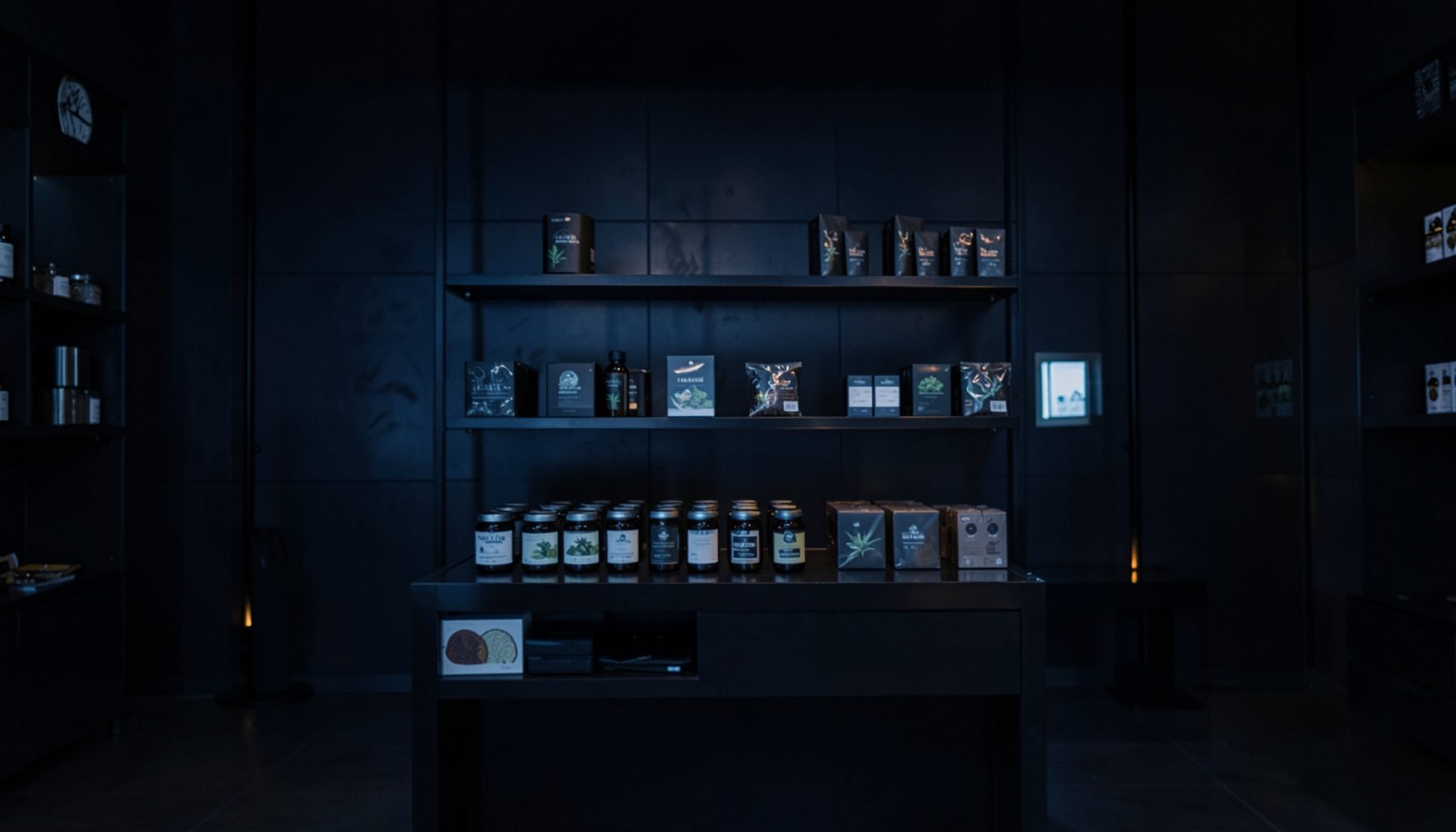
Why Batch Numbers Matter on Jeeters Product Packaging
Packaging is often the first point of contact between a cannabis customer and a product. Before opening a Jeeters pre-roll, vape cartridge, liquid diamond, live resin or flower pack, the label can reveal important information about where the item came from, when it was tested and how it should be handled. A small batch code may look like ordinary print, yet it can connect the product to a detailed quality record.
For Australian readers, this information deserves extra attention because the cannabis market operates differently from the United States. Recreational cannabis remains illegal nationally, while medicinal cannabis is available through authorised pathways and state and territory rules affect possession, prescribing and supply. A customer in Sydney, Melbourne or Brisbane therefore needs to check local requirements before purchasing, importing or possessing any cannabis product.
Jeeters sells into selected US markets, including California, Arizona and Michigan, where licensed cannabis systems use testing and traceability rules. Product packaging helps support that system. It can identify a production run, distinguish legitimate stock from suspicious copies and give retailers or manufacturers a way to respond if a quality issue appears.
A batch number is most useful when it is considered alongside the product name, strain or flavour, potency statement, ingredient list, testing information and packaging date. Treating the code as a quick authenticity signal, rather than proof of quality by itself, gives customers a safer and more practical way to assess what is in front of them.
What A Batch Number Tells You
A batch number, lot number or production code is an identifier assigned to a particular run of goods. It may refer to cannabis harvested on a particular date, oil filled into cartridges during a defined period, or pre-rolls assembled from a specific inventory of flower. The format differs between manufacturers, so there is no universal code that every customer can decode.
The number allows a producer to connect finished packaging with internal records. Those records may include the source material, extraction or manufacturing date, packaging line, staff checks and laboratory results. If a concern arises, the company can investigate a defined group of products rather than treating every item as identical.
This traceability is especially relevant for products with several production stages. A live resin cartridge, for example, may involve fresh-frozen plant material, extraction, formulation, hardware filling and final packing. A batch code can help link those stages and show whether the product belongs to a particular manufacturing run.
Customers should avoid assuming that a newer-looking code automatically means a better product. Freshness can matter for flower and some extracts, but storage, seal condition and product type also influence performance. The batch identifier is a reference point that helps explain the product’s history; it is not a simple freshness score.
How Codes Support Testing And Quality Control
Licensed cannabis products are commonly subject to laboratory testing for potency and contaminants. Depending on the jurisdiction and product type, testing may cover cannabinoids, pesticides, heavy metals, microbial contamination, residual solvents and other safety markers. A batch number helps associate the package with the relevant certificate of analysis or internal quality record.
When the label, test result and product description align, customers gain a clearer picture of what they are buying. A package that states a THC range, for instance, should correspond with documentation for the same production lot. If the number on a test report does not match the package, the document may relate to a different item, an older run or an unrelated brand.
This is why customers should inspect the whole label rather than focusing only on a large potency figure. A credible package normally provides several connected details: a manufacturer or licensee, product weight, cannabinoid content, ingredients where relevant, warnings, a packaging or harvest date and a batch or lot reference. Missing or poorly printed information deserves caution.
Digital verification can add another layer of confidence, but a QR code should not be treated as a guarantee. A code may lead to a brand page, a retailer listing or a laboratory document, and those destinations do not all provide the same level of detail. For a broader look at packaging verification tips, compare the information displayed online with the physical label and the retailer’s records.
Spotting Authentic Jeeters Products
A batch number is one part of a wider authenticity check. Jeeters packaging should have consistent branding, clear print, intact seals and product information that is easy to read. Spelling mistakes, mismatched fonts, blurred labels, missing warnings or a code that appears to have been covered with a second sticker can all justify further inspection.
Counterfeit cannabis products create particular risks because the customer cannot rely on the stated ingredients or potency. A copied package may use familiar colours and logos while containing an unknown vape oil, old flower or a product made outside a regulated facility. The batch code may be invented, duplicated across many packs or absent altogether.
Look for agreement between the outer packaging and the item inside. The strain or flavour, product type, weight and hardware should match the description on the label. A pre-roll pack should not contain products with visibly different branding or inconsistent markings. A cartridge should sit securely in its packaging, with no leakage, damaged mouthpiece or unexplained residue.
Retailer history matters as well. In US legal markets, customers can check whether a seller is authorised under the relevant state system. Australians should be especially careful with overseas websites and social media sellers claiming to ship cannabis products internationally. A professional-looking storefront does not override Australian import controls, prescription requirements or border laws.
If a package seems suspicious, do not consume it simply to see whether it feels normal. Keep the packaging, batch information, receipt and photographs, then contact the retailer or brand through an official support channel. Those details give customer service something concrete to investigate.
Using Batch Information When A Problem Appears
Batch tracking becomes most valuable when a product causes concern. Examples may include a broken seal, unusual odour, leaking cartridge, harsh vapour, unexpected texture or an adverse reaction. The customer should stop using the product and record the batch number exactly as printed, including letters, hyphens and any date code.
A clear report can include the product name, pack size, purchase date, retailer, photographs and a description of the issue. Do not rely on memory or rewrite the code in a shortened form. One character can distinguish a separate production run, packaging line or flavour variant.
Manufacturers and retailers can use these reports to identify patterns. If several complaints involve the same lot, a review or recall may be appropriate. If only one package is affected, the issue may involve transport, heat exposure, a damaged seal or storage after purchase. Batch-level evidence helps separate those possibilities.
Storage conditions can change product quality even when the original manufacturing process was sound. Flower is generally better protected from excessive heat, direct sunlight and uncontrolled humidity. Cartridges and extracts should also be kept away from high temperatures and handled according to the label. A batch number cannot restore a product that has been poorly stored, but it can help determine whether the issue began before or after sale.
For official updates, customers should use the brand or licensed retailer’s support channels rather than relying on anonymous posts. A deal page such as Jeeters product deals may be useful for checking current listings, but promotional pricing should never replace a review of the label, seller credentials and local legal requirements.
Reading Labels With Australian Conditions In Mind
Australian customers need to separate two questions: whether a product appears genuine and whether obtaining or possessing it is lawful. A batch number can help with the first question, but it does not authorise importation, recreational use or supply. Medicinal cannabis access generally involves an authorised prescriber and a lawful pharmacy or dispensing pathway, with additional rules applying across states and territories.
That distinction matters for people comparing products from overseas websites. A Jeeters item may be legally sold in a US state and still be unlawful to bring into Australia. Customs, therapeutic goods and state or territory regulations can all affect the outcome. Someone in Perth, Adelaide or regional New South Wales should check current official guidance before placing an order, rather than relying on a seller’s shipping statement.
The way Australians shop also makes careful label reading practical. A customer used to scanning a barcode at a local chemist or checking a product’s expiry details online may expect the same transparency from cannabis packaging. Terms such as “lot,” “batch,” “packed on” and “tested on” can vary, so it helps to record every identifier in the event of a dispute.
Online shopping can offer broader product information than a quick in-store purchase, including product photos, testing references and support contact details. However, the convenience of browsing from home does not remove the need to confirm jurisdiction, delivery restrictions and seller legitimacy. This comparison of online versus in-store shopping can help explain the practical differences while customers assess which information is available before purchase.
A sensible habit is to photograph the label when the package arrives, save the receipt and store the product as directed. Keep the batch number until the item has been used or disposed of, especially for higher-value extracts, vape cartridges and limited releases. That small record can make customer support faster and give the manufacturer useful evidence.
Check the batch number before opening your next Jeeters product, compare it with the rest of the label and retain the packaging until you are satisfied with the item. Purchase only through lawful, authorised channels, follow Australian rules where they apply and contact official support promptly if any detail looks inconsistent.